
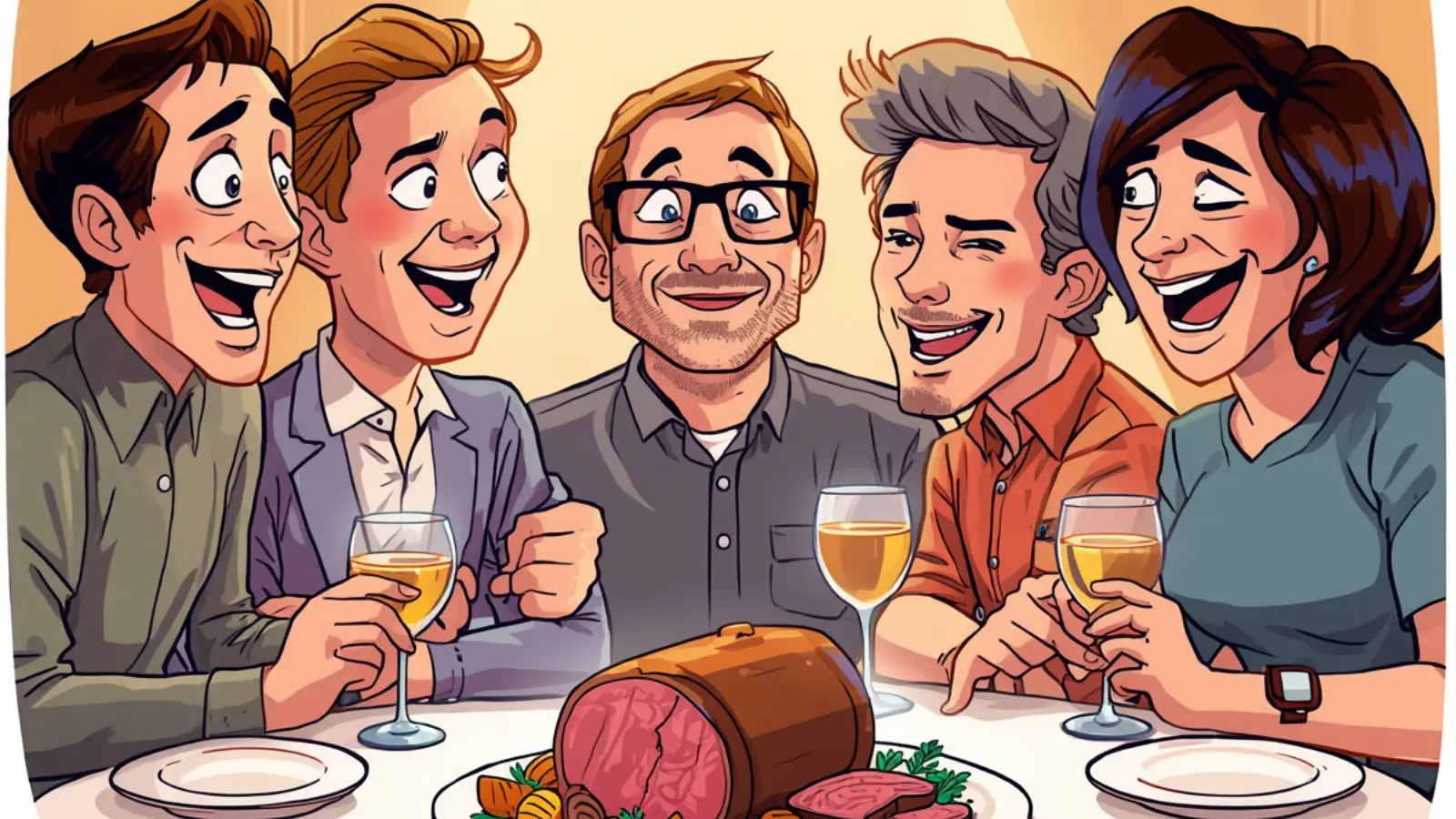
There’s something magical about humor that makes people blush before they laugh.
Maybe you’ve heard someone whisper a eating roast beef joke at a party.
Maybe it showed up in your group chat with suspicious emojis.
Maybe you laughed… then paused… then laughed harder once you got it.
That’s the beauty of suggestive wordplay.
It dances on the edge of innocence and innuendo.
It creates connection. It sparks curiosity. It builds tension.
And when done right? It becomes unforgettable.
In this guide, we’re diving deep into the psychology, structure, emotional impact, and cultural layers behind the eating roast beef joke — from playful banter to viral humor dynamics.
Get cozy. This is going to be deliciously insightful.
The Hidden Psychology Behind the eating roast beef joke
-
😏 It uses double meaning to trigger curiosity instantly.
-
🧠 It activates pattern recognition in the brain.
-
💓 It blends innocence with subtle adult undertones.
-
🔥 Suggestive phrasing stimulates emotional engagement.
-
😄 Laughter reduces tension around taboo topics.
-
👀 Ambiguity invites the listener to “figure it out.”
-
💬 Shared humor strengthens social bonding.
-
🌶️ Mild shock value increases memorability.
-
💞 Flirty humor builds romantic chemistry fast.
-
🎭 It allows plausible deniability if misunderstood.
-
🤭 Blushing becomes part of the entertainment.
-
🧩 Wordplay encourages mental participation.
-
🫶 Humor lowers conversational defenses.
-
✨ The punchline lands because the brain connects dots.
Why the eating roast beef joke Feels So Bold Yet Playful
-
😈 It hints without explicitly stating anything.
-
🍽️ Everyday food imagery feels harmless at first.
-
💄 The metaphor adds layered meaning.
-
🎯 The surprise twist creates comic tension.
-
💕 Flirty undertones make it socially electric.
-
🙈 It thrives on “Did they really say that?” energy.
-
🔄 Reactions vary, which makes it interactive.
-
🎉 It works especially well in relaxed settings.
-
🥂 Social environments amplify bold humor.
-
💬 Tone of voice changes everything.
-
📱 Text versions rely heavily on emojis.
-
😅 Awkward laughter makes it memorable.
-
🧲 It draws attention without aggression.
-
🌟 Playfulness softens any potential offense.
Social Situations Where the eating roast beef joke Lands Perfectly
-
🎂 Birthday parties with close friends.
-
🍷 Girls’ night with wine and giggles.
-
👫 Flirty date night conversations.
-
📲 Private group chats.
-
🥳 Bachelorette parties.
-
🎤 Open-mic comedy nights.
-
💼 Casual office banter (carefully!).
-
🏖️ Beach trips with playful energy.
-
🎮 Gaming chats among close circles.
-
🧁 Sleepovers with besties.
-
🎉 After-dinner joke sessions.
-
💞 Early-stage flirting moments.
-
📸 Meme-sharing marathons.
-
😜 Inside jokes between couples.
How to Deliver a eating roast beef joke Without Making It Awkward
-
😉 Maintain confident body language.
-
🗣️ Keep your tone light and teasing.
-
😄 Smile before the punchline.
-
👁️ Make quick eye contact.
-
⏳ Pause for dramatic timing.
-
🤫 Avoid over-explaining the joke.
-
🎭 Read the room first.
-
💬 Use emojis in text to soften tone.
-
🙌 Keep it playful, not graphic.
-
🧠 Adjust delivery to your audience.
-
💕 Lean into humor, not shock.
-
😅 Laugh at yourself too.
-
🚫 Respect boundaries instantly.
-
✨ Leave space for their reaction.
The Cultural Evolution of the eating roast beef joke

-
📜 Wordplay has ancient comedic roots.
-
🎭 Shakespeare used double entendre frequently.
-
📺 TV sitcoms popularized suggestive food jokes.
-
📻 Radio humor relied on innuendo.
-
📰 Print cartoons normalized subtle adult humor.
-
🎬 Romantic comedies modernized flirt jokes.
-
🌐 Internet culture amplified meme formats.
-
📱 Emojis added new expressive layers.
-
🎥 TikTok trends revived cheeky humor.
-
💬 Social media increased shareability.
-
🌍 Cultural context shapes interpretation.
-
🧠 Younger audiences decode innuendo faster.
-
🎉 Party culture embraces edgy humor.
-
🔄 Humor evolves but flirtation stays timeless.
Why the eating roast beef joke Sparks Instant Laughter
-
😲 Surprise creates cognitive delight.
-
🧠 The brain loves resolving ambiguity.
-
🤭 Mild embarrassment triggers giggles.
-
💥 Unexpected metaphors hit harder.
-
😅 Shared awkwardness bonds people.
-
🎯 Timing magnifies punchline impact.
-
🧩 It rewards quick thinkers.
-
💬 Reactions fuel the fun.
-
🌶️ Taboo-adjacent topics feel thrilling.
-
💞 Flirty undertones add excitement.
-
🧠 Humor releases dopamine.
-
😜 Exaggerated reactions escalate laughter.
-
🎭 Delivery style changes intensity.
-
🌟 Surprise equals memorability.
The Fine Line Between Flirty and Offensive in a eating roast beef joke
-
⚖️ Intent matters deeply.
-
👂 Consent to playful banter matters.
-
🧠 Know your audience’s comfort level.
-
🚫 Avoid targeting individuals directly.
-
😌 Keep it generalized and light.
-
💬 Respect immediate discomfort.
-
🧡 Stay self-aware.
-
🎯 Humor should invite, not attack.
-
🌈 Cultural sensitivity is essential.
-
💕 Flirty doesn’t mean explicit.
-
📍 Context defines acceptability.
-
🤝 Trust increases joke tolerance.
-
🛑 Stop if it crosses boundaries.
-
✨ Charm works better than shock.
How Couples Use the eating roast beef joke to Build Chemistry
-
💞 Creates playful inside jokes.
-
😏 Encourages flirtation without pressure.
-
🔥 Builds romantic tension subtly.
-
🥰 Sparks teasing energy.
-
💬 Opens conversations about desire indirectly.
-
🧠 Signals shared humor compatibility.
-
🎉 Keeps long-term relationships fun.
-
😜 Breaks routine monotony.
-
💌 Adds spice to texting.
-
😅 Diffuses awkward moments.
-
💕 Strengthens emotional intimacy.
-
🎭 Encourages vulnerability through humor.
-
🌹 Keeps attraction alive.
-
✨ Turns laughter into connection.
Viral Meme Culture and the eating roast beef joke Trend
-
📱 Memes simplify complex innuendo.
-
😂 Reaction GIFs amplify punchlines.
-
🧠 Short-form humor spreads faster.
-
🎥 TikTok duets recreate delivery styles.
-
📊 Shareability increases relatability.
-
🔄 Remix culture keeps it fresh.
-
💬 Comment sections add layers.
-
🎨 Creative visuals enhance metaphors.
-
🧲 Shock value attracts clicks.
-
🥳 Humor thrives in algorithm-driven feeds.
-
🧩 Visual cues guide interpretation.
-
🌎 Global audiences adapt meanings.
-
💞 Private DMs spread it faster.
-
🚀 Trend cycles keep evolving.
Writing Your Own eating roast beef joke That Actually Works
-
🧠 Start with a harmless setup.
-
🍽️ Use everyday imagery creatively.
-
😏 Layer in subtle implication.
-
🎯 Craft a sharp punchline.
-
💬 Keep wording concise.
-
😄 Avoid overcomplicating metaphors.
-
🔥 Suggest more than you state.
-
🧩 Leave room for imagination.
-
💕 Add playful rhythm.
-
📱 Test it in text first.
-
😅 Observe reactions carefully.
-
🎭 Adjust delivery style.
-
🚫 Don’t force edginess.
-
✨ Aim for clever, not crude.
Why the eating roast beef joke Works Better in Text With Emojis
-
❤️ Emojis signal playful intent.
-
😉 Winks soften suggestiveness.
-
🤭 Blushing faces imply innocence.
-
🔥 Flames hint at spice.
-
😂 Laughing emojis reduce tension.
-
💬 Tone is clearer visually.
-
📲 Digital culture favors short humor.
-
🎨 Visual cues guide interpretation.
-
🧠 Emojis reduce misreading.
-
💕 Hearts amplify flirt energy.
-
😜 Playful icons boost engagement.
-
✨ Emoji stacking adds exaggeration.
-
📈 Text jokes travel faster.
-
🥰 Screens make bold humor safer.
Age, Audience, and the eating roast beef joke Reaction Gap
-
🧓 Older generations may misinterpret it.
-
🧑 Younger audiences decode faster.
-
🌍 Cultural background changes meaning.
-
💬 Context shapes perception.
-
🧠 Humor literacy varies widely.
-
📱 Digital natives embrace emoji nuance.
-
🎉 Party environments increase tolerance.
-
💼 Professional settings demand caution.
-
💕 Close friends react positively.
-
👪 Family audiences require restraint.
-
🧩 Shared references improve understanding.
-
😅 Personal comfort affects laughter.
-
🔄 Repetition reduces shock value.
-
✨ Timing bridges generational gaps.
Emotional Intelligence and the eating roast beef joke
-
🧠 Read facial expressions carefully.
-
👀 Notice body language shifts.
-
💬 Listen to tone changes.
-
🧡 Empathy guides humor boundaries.
-
⚖️ Balance boldness with sensitivity.
-
🤝 Respect personal limits.
-
😌 Apologize if misjudged.
-
💕 Humor should uplift.
-
🎯 Emotional awareness increases charm.
-
🧩 Adapt quickly in conversation.
-
🌟 Confidence without arrogance works best.
-
😄 Laugh together, not at someone.
-
💞 Shared joy builds trust.
-
✨ Emotional safety enhances fun.
When Not to Use a eating roast beef joke
-
🏢 Formal business meetings.
-
🧑⚖️ Legal or official environments.
-
👨🏫 Academic presentations.
-
👶 Around children.
-
🧍 With strangers you barely know.
-
🧑💼 During job interviews.
-
💔 In emotionally tense situations.
-
🌍 Cross-cultural unknown contexts.
-
📢 Public speeches.
-
🛑 When someone seems uncomfortable.
-
🤝 First-time introductions.
-
⏰ Serious discussions.
-
💬 Sensitive personal conversations.
-
🚫 Anytime consent feels unclear.
The Future of the eating roast beef joke in Digital Humor
-
🤖 AI-generated humor will remix formats.
-
📱 Short videos will redefine delivery.
-
🎨 Visual storytelling will dominate punchlines.
-
🌎 Global slang will reshape metaphors.
-
💬 Private communities will keep it edgy.
-
🧠 Smarter audiences demand cleverness.
-
🔥 Shock humor may decline.
-
💕 Emotional nuance will rise.
-
📊 Algorithms reward engagement.
-
🧩 Wordplay will remain timeless.
-
😏 Flirty humor never disappears.
-
🎭 Cultural shifts reshape boundaries.
-
🚀 Meme cycles accelerate evolution.
-
✨ Cleverness will always win.
Frequently Asked Questions About eating roast beef joke
1. What does a eating roast beef joke usually imply?
A eating roast beef joke typically relies on double entendre and metaphor. It often uses food imagery to hint at something suggestive without being explicit. The humor works because listeners connect the dots themselves, creating a playful “aha” moment. It’s not about the literal meaning — it’s about the layered interpretation. This style of humor blends innocence with flirtation, making it popular in casual, social, or romantic contexts where subtle innuendo adds excitement without crossing into vulgarity.
2. Is a eating roast beef joke considered inappropriate?
It depends entirely on context, delivery, and audience. Among close friends or partners, it may feel playful and harmless. In professional or formal settings, it could be seen as inappropriate. Emotional intelligence is key. If the joke creates shared laughter without discomfort, it works. If it causes awkward silence, it misses the mark. Always consider social norms, cultural background, and consent before using suggestive humor.
3. Why do people find a eating roast beef joke funny?
The humor comes from surprise and mental participation. The brain enjoys resolving ambiguity, especially when there’s a hidden meaning involved. Mild taboo topics create tension, and laughter releases that tension. The combination of food metaphor and implied flirtation triggers both curiosity and amusement. It’s clever, layered, and interactive — which makes it memorable and engaging.
4. Can couples use a eating roast beef joke to flirt?
Absolutely. Many couples use suggestive jokes as a way to build intimacy and playful tension. A eating roast beef joke can act as a light, teasing way to express attraction without direct statements. It keeps conversations fun and helps maintain chemistry. Humor in relationships often strengthens emotional bonds because it creates shared moments of joy and inside jokes.
5. How do you tell a eating roast beef joke without being awkward?
Confidence and timing matter more than the words themselves. Smile, keep your tone playful, and don’t over-explain the punchline. If telling it in text, use emojis to signal humor. Most importantly, read the room. If people are already joking and relaxed, it will land better. If the mood is serious, save it for later.
6. Are eating roast beef joke memes popular online?
Yes, suggestive food jokes often trend in meme culture because they’re short, visual, and easy to remix. Platforms like TikTok, Instagram, and group chats amplify this style of humor. Emojis and reaction GIFs enhance the punchline, making it shareable and engaging. The viral nature comes from relatability and shock-light humor.
7. Why do emojis make a eating roast beef joke funnier?
Emojis provide tone clarity in text-based communication. A wink 😉 or laughing face 😂 signals that the joke is playful. Without these cues, messages can feel flat or misunderstood. Emojis act like digital body language, guiding interpretation and reducing the risk of offense. They enhance emotional expression and boost engagement.
8. What makes a good eating roast beef joke clever instead of crude?
Clever humor suggests more than it states. It relies on metaphor, timing, and subtlety. Crude humor is explicit and often shock-driven. A well-crafted eating roast beef joke leaves room for imagination and keeps the language light. The difference lies in creativity and emotional awareness. Smart wordplay always outperforms blunt delivery.
Final Thoughts on the eating roast beef joke
Humor is a love language. It’s a bridge. It’s a spark.
The eating roast beef joke lives in that delicious space between innocence and implication.
When delivered with emotional intelligence, warmth, and confidence, it becomes more than a joke — it becomes connection.
So laugh. Flirt. Play.
Just remember: the best humor leaves people smiling, not squirming.
And that, darling, is the real punchline.

A sarcastic lifestyle comedian known for roasting trends, influencers, and online habits.