
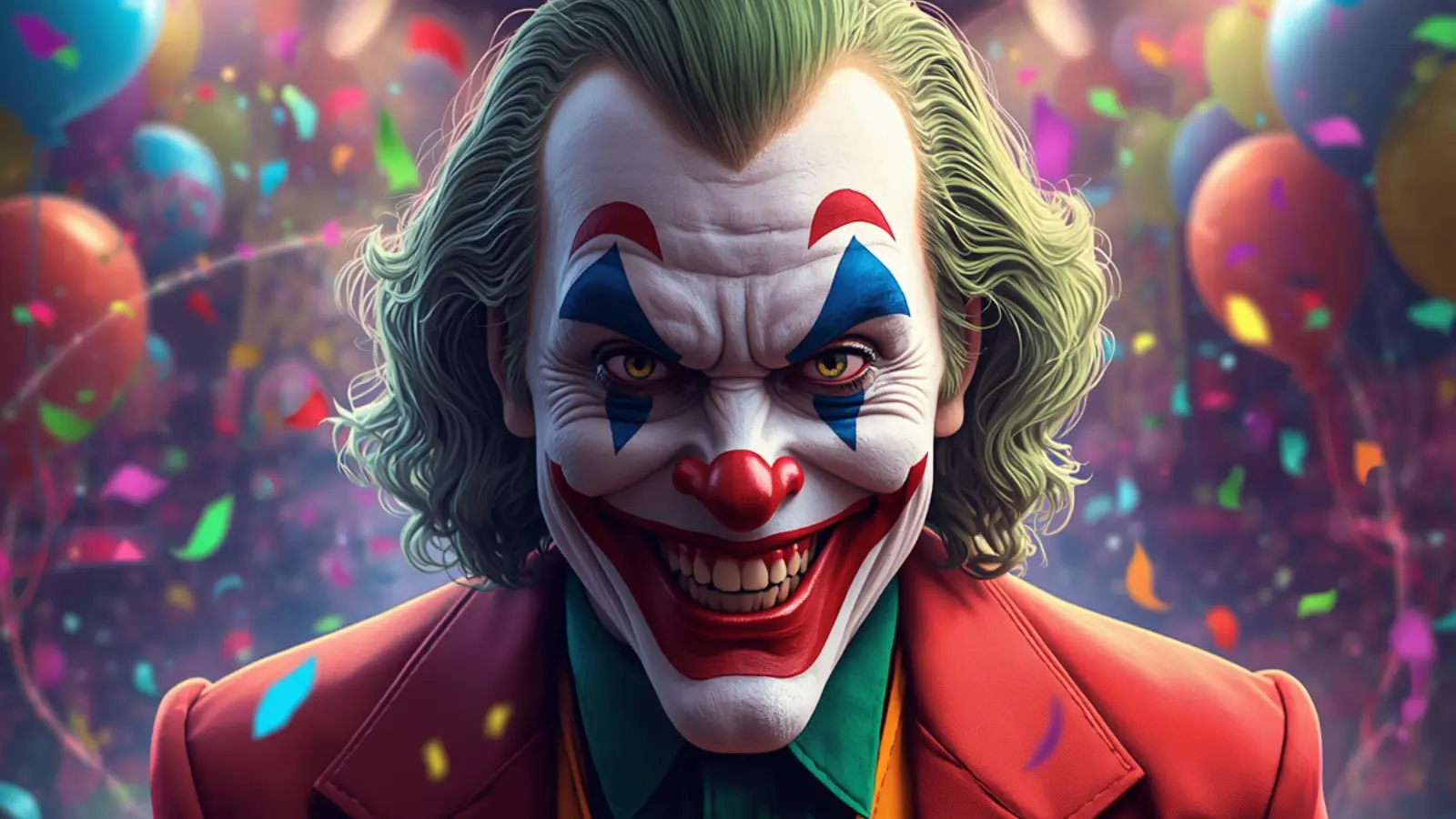
There’s something haunting about an old comic page.
The paper is yellowed. The ink bleeds just a little. And then—there he is.
A sharp grin. A bow tie. Eyes wide with mischief instead of madness.
The Golden Age Joker didn’t begin as the chaotic clown prince we see in modern films.
He wasn’t layered with trauma monologues or cinematic realism.
He was theatrical. Dramatic. Stylish. Deadly in a way that felt like pulp fiction poetry.
When he first appeared in Batman #1 (1940), created by Bill Finger, Bob Kane, and artist Jerry Robinson, something shifted in comic storytelling forever.
Villains were no longer just obstacles. They became icons.
This isn’t just nostalgia.
This is the blueprint of modern villain psychology, pop culture influence, and comic book mythology.
Let’s explore the laughter that started it all.
The Birth of Golden Age Joker in the Dawn of Detective Comics
-
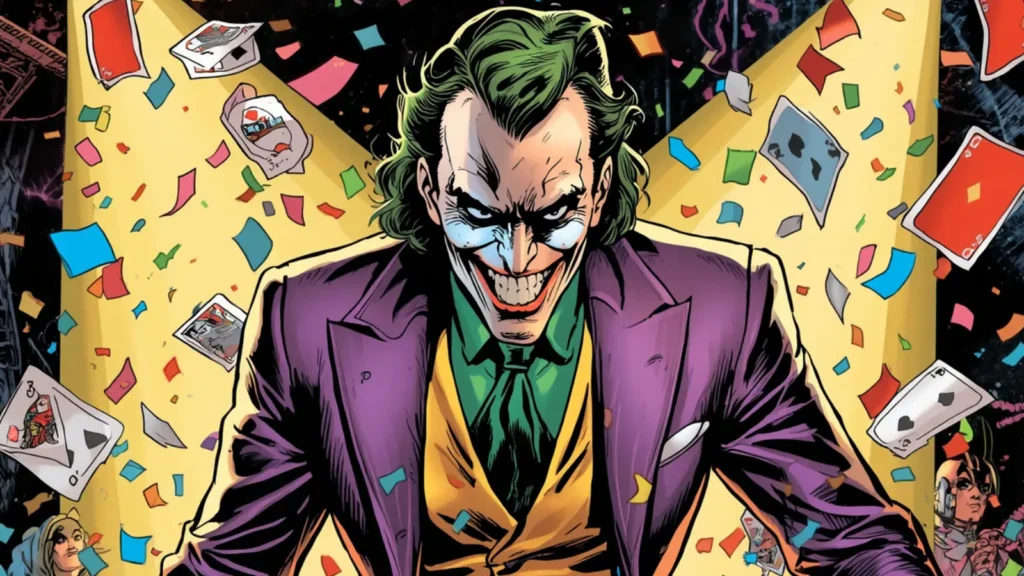
🎭 He debuted in 1940 during the Golden Age of comics, when pulp magazines shaped storytelling tone.
-
🃏 His design was inspired by actor Conrad Veidt in The Man Who Laughs.
-
🖋️ Early stories portrayed him as a calculating criminal mastermind, not a slapstick prankster.
-
💀 He committed theatrical murders with calling cards, leaving Joker playing cards behind.
-
📚 His debut issue almost killed him off permanently—editors reconsidered at the last minute.
-
🏙️ He became a central villain in Detective Comics, shaping Gotham’s tone.
-
🎨 The art style emphasized exaggerated facial features and stark contrast.
-
🔎 His crimes were puzzle-based, requiring Batman’s detective skills.
-
🎩 He embodied 1930s gangster glamor with circus aesthetics.
-
🧠 Early scripts showed strategic intelligence over chaos.
-
💼 He used poison gas as a signature weapon—“Joker venom.”
-
📖 Stories balanced horror and dark humor seamlessly.
-
🎬 He reflected pre-Code comic freedom before censorship.
-
🌑 From the start, the Golden Age Joker blurred comedy and cruelty.
Why Golden Age Joker Was Darker Than You Remember
-
🔪 He committed on-page murders in early issues.
-
🎭 His smile masked calculated brutality.
-
🧪 Poison plots targeted wealthy elites.
-
📢 He announced crimes in advance—psychological warfare.
-
📰 Newspapers inside stories amplified his fame.
-
🧠 He manipulated fear before striking.
-
🎨 Artists used shadow-heavy panels to amplify menace.
-
⚖️ He challenged Batman morally and intellectually.
-
💣 His traps were deadly, not playful.
-
🃏 Joker venom left victims grinning grotesquely.
-
🎬 His dramatic reveals felt cinematic decades before superhero films.
-
🕰️ The era allowed villain lethality before Comics Code restrictions.
-
🧩 He orchestrated crime like stage performances.
-
🌒 The Golden Age Joker was elegant—but lethal.
The Visual Evolution of Golden Age Joker on the Page
-
🎨 Tall, angular body structure symbolized instability.
-
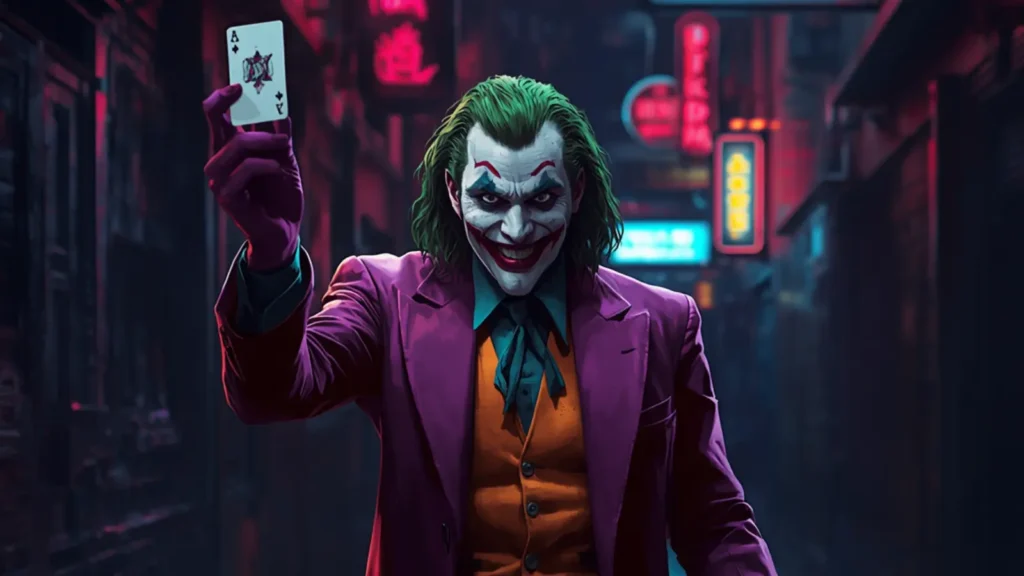
👔 Purple suit became iconic villain branding.
-
😈 Long chin and sharp nose enhanced theatricality.
-
🖌️ Early coloring techniques emphasized bright greens and reds.
-
📸 Panels often zoomed in on his smile.
-
🃏 Playing cards reinforced gambling symbolism.
-
🎭 Bow ties and tuxedos conveyed twisted sophistication.
-
🖼️ Covers showcased him towering over Gotham.
-
🧥 Clothing echoed vaudeville performers.
-
🌪️ Dynamic poses suggested chaos mid-motion.
-
🎪 Circus undertones reinforced clown identity.
-
🕶️ Lighting framed him as gothic showman.
-
📚 Early art made him recognizable instantly.
-
🌟 The Golden Age Joker design remains a timeless archetype.
Storytelling Themes That Defined Golden Age Joker
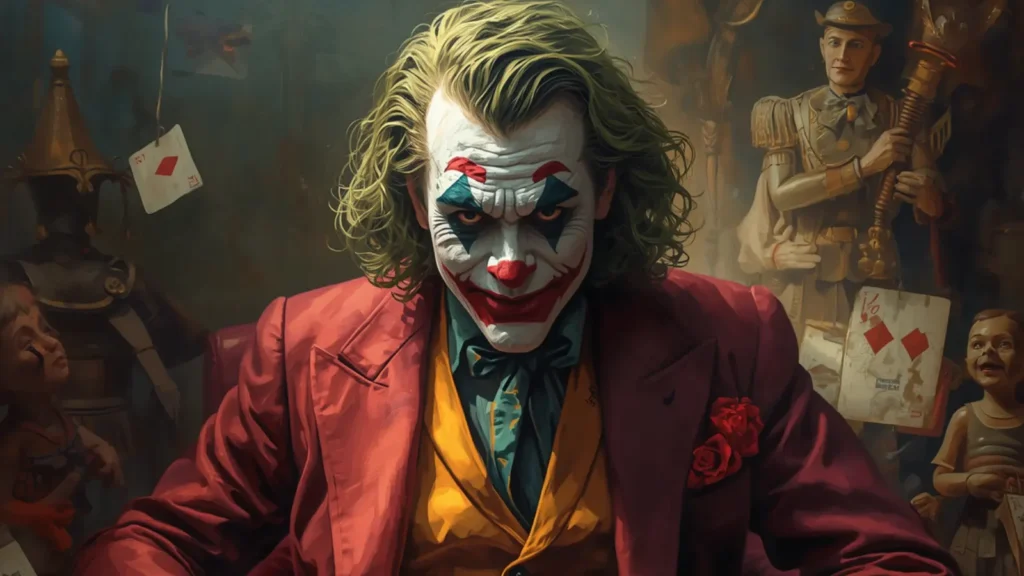
-
🎭 Crime as theatrical performance.
-
🧠 Mind games over brute force.
-
💎 Obsession with wealth and spectacle.
-
⚔️ Psychological duels with Batman.
-
📰 Public spectacle crimes.
-
🧪 Chemical weapons as signature tools.
-
🎪 Carnival aesthetics in urban crime.
-
🕰️ Timed threats creating suspense.
-
💀 Death mixed with punchlines.
-
🃏 Identity ambiguity.
-
🌆 Gotham as stage.
-
🎬 Serialized storytelling arcs.
-
📖 Morality clashes.
-
✨ The Golden Age Joker pioneered villain-driven narratives.
How Golden Age Joker Influenced Modern Interpretations
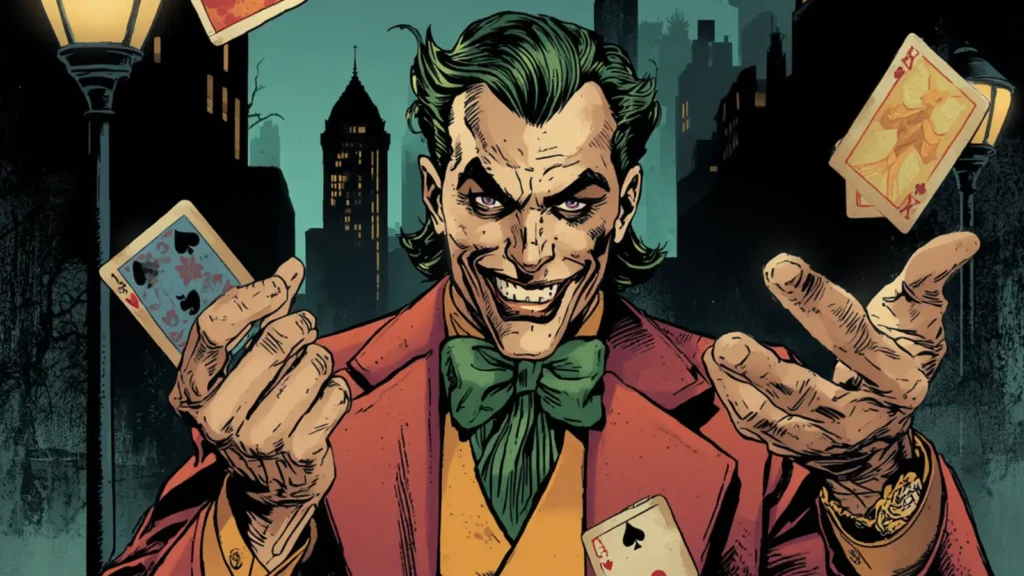
-
🎬 Inspired later cinematic Jokers.
-
🎭 Echoes appear in The Dark Knight.
-
🧥 Style influenced Jack Nicholson portrayal.
-
🃏 Chaos themes expanded by Heath Ledger.
-
🎨 Visual DNA carried into animated series.
-
📺 Impact visible in Batman: The Animated Series.
-
📚 Inspired darker comic arcs.
-
🧠 Reinforced villain psychology tropes.
-
🏙️ Cemented Gotham’s gothic tone.
-
🎪 Theatrical villain template.
-
🖋️ Influenced comic villain branding strategies.
-
🃏 Created archetype of smiling killer.
-
🎭 Balanced humor with horror.
-
💥 The Golden Age Joker built the villain blueprint.
The Psychological Architecture of Golden Age Joker
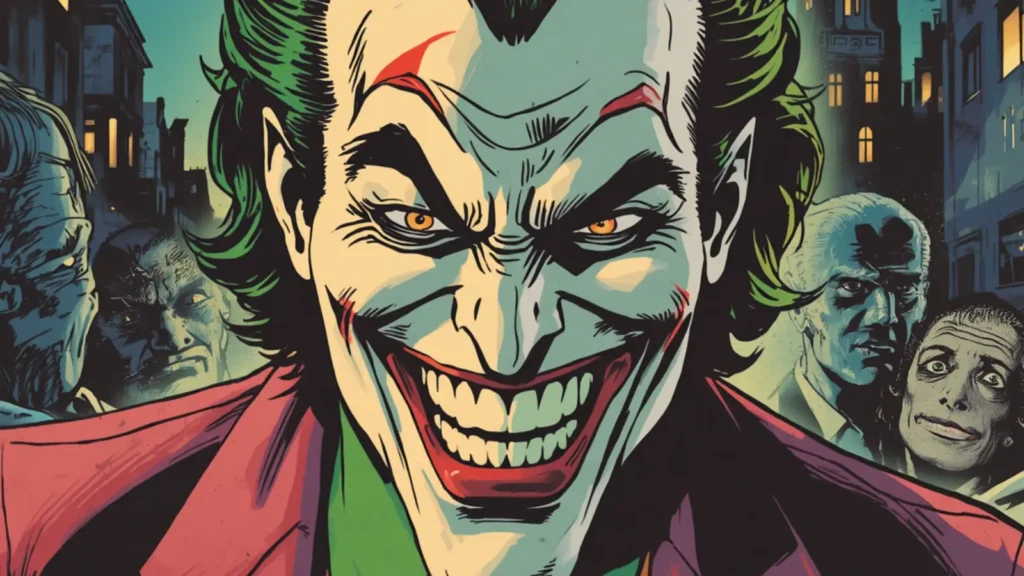
-
🧠 Narcissistic theatrical personality traits.
-
🎭 Identity fluidity creates unpredictability.
-
😈 Humor as intimidation strategy.
-
🃏 Symbolic use of laughter.
-
🎪 Showmanship masking menace.
-
🧩 Strategic long-game thinking.
-
⚖️ Obsession with Batman rivalry.
-
💬 Grand monologues before crimes.
-
🎬 Drama-driven self-perception.
-
🧪 Love for chemical symbolism.
-
🕶️ Controlled chaos presentation.
-
🔮 Mystery around origin story.
-
🎭 Emotional manipulation of audiences.
-
💡 The Golden Age Joker mastered theatrical psychology.
Censorship and the Transformation of Golden Age Joker
-
📜 Comics Code Authority changed tone.
-
😄 Shifted toward sillier pranks in 1950s.
-
🛑 Reduced on-page violence.
-
🎨 Brighter art replaced noir shadows.
-
🃏 Less lethal, more trickster.
-
📚 Story arcs became child-friendly.
-
🎭 Humor overtook horror temporarily.
-
📰 Crime announcements softened.
-
🧠 Genius remained but less brutal.
-
🎪 Camp elements increased.
-
📺 Influenced 1960s TV portrayal.
-
🕰️ Golden Age roots partially muted.
-
⚖️ Market demand shifted tone.
-
🔥 Yet the original Golden Age Joker darkness never vanished.
The Cultural Impact of Golden Age Joker Across Generations
-
🌍 Global recognition symbol.
-
🎭 Halloween costume staple.
-
🃏 Merchandise icon.
-
🎨 Artistic reinterpretations worldwide.
-
📚 Academic villain analysis subject.
-
🎬 Film adaptations referencing early tone.
-
🧠 Psychological studies referencing character archetype.
-
🎪 Meme culture adoption.
-
🖋️ Comic writing inspiration.
-
🎭 Theater performances adaptation.
-
📰 Pop culture journalism discussions.
-
📖 Literary villain comparisons.
-
🏙️ Gotham brand identity builder.
-
💫 The Golden Age Joker remains culturally immortal.
Collectibility and Market Value of Golden Age Joker Comics
-
💎 High-value auction sales.
-
📚 First appearance issues prized.
-
📈 Investment-grade collectibles.
-
🏷️ Grading impacts resale value.
-
🃏 Key issue demand steady.
-
🕰️ Historical importance boosts price.
-
📖 Restoration affects value.
-
💼 Long-term asset potential.
-
🖋️ Signature copies premium.
-
📊 Market trends upward.
-
🎨 Cover condition critical.
-
📰 Limited supply rarity.
-
🔍 Authenticity verification crucial.
-
💰 Golden Age Joker comics are blue-chip collectibles.
Artistic Techniques That Elevated Golden Age Joker Panels
-
🖌️ Dramatic close-ups.
-
🌑 Noir shading.
-
🎭 Exaggerated expressions.
-
🃏 Symbolic props.
-
🏙️ Gothic cityscapes.
-
🎨 High contrast coloring.
-
📖 Suspense pacing.
-
🧩 Clever panel transitions.
-
💥 Explosive splash pages.
-
🎪 Circus motifs in background.
-
📚 Sequential storytelling mastery.
-
🕶️ Shadow framing.
-
🎬 Cinematic angles.
-
✨ Golden Age Joker panels feel timeless.
Rivalry Dynamics Between Golden Age Joker and Batman
-
⚔️ Intellectual chess match.
-
🧠 Strategy vs. detective logic.
-
🎭 Opposites in morality.
-
🃏 Chaos confronting order.
-
🏙️ Gotham caught in middle.
-
🎪 Theatrical taunts.
-
📖 Serialized confrontations.
-
💬 Psychological tension dialogue.
-
🕰️ Recurring villain arc.
-
⚖️ Ethical contrast.
-
🎬 Dramatic rooftop showdowns.
-
🧩 Riddle-like schemes.
-
🔥 Mutual obsession undertones.
-
💞 The Golden Age Joker defines Batman’s purpose.
The Legacy of Golden Age Joker in Modern Comics
-
📚 Writers revisit original tone.
-
🎨 Retro art homages.
-
🃏 Classic costume returns.
-
🧠 Dark humor blend persists.
-
🎭 Performance crime concept lives on.
-
📰 Anniversary issues celebrate debut.
-
🕰️ Flashback arcs explore roots.
-
💥 Reboots reference early brutality.
-
📖 Graphic novels analyze origin.
-
🎬 Film adaptations borrow aesthetic.
-
🧩 Meta-commentary on villainy.
-
🎪 Theatrical villain archetype enduring.
-
🖋️ New creators reinterpret mythos.
-
🌟 Golden Age Joker remains foundational canon.
FAQ: Deep Questions About Golden Age Joker
Who created the Golden Age Joker?
The character was developed by Bill Finger, Bob Kane, and Jerry Robinson. His visual inspiration came from Conrad Veidt’s haunting grin in The Man Who Laughs. His debut reshaped villain storytelling forever.
When did the Golden Age Joker first appear?
He first appeared in Batman #1 in 1940 during the Golden Age of comics, marking the start of an iconic rivalry.
Was the Golden Age Joker originally meant to die?
Yes. Early editorial plans intended to kill him off in his debut issue, but editors chose to keep him alive—changing comic history.
How was the Golden Age Joker different from later versions?
He was more calculated and theatrical, committing deliberate murders with chilling elegance rather than chaotic unpredictability.
Did censorship affect his character?
Yes. The Comics Code Authority softened his violence, shifting him toward prank-based schemes in the 1950s.
Why is the Golden Age Joker important to comic history?
He pioneered the psychologically complex villain archetype, influencing decades of storytelling.
Are Golden Age Joker comics valuable?
Absolutely. First appearances and early issues are among the most valuable DC collectibles.
What inspired his visual design?
The eerie grin of Conrad Veidt in the 1928 film The Man Who Laughs directly shaped his look.
A Final Laugh That Echoes Through Time
The Golden Age Joker isn’t just a villain.
He’s a cultural artifact.
A mirror of pulp fiction drama.
A blueprint for psychological antagonists.
A theatrical shadow that still stretches across modern cinema, animation, and comics.
His laughter began on fragile paper in 1940—but it never faded.
It evolved. It deepened. It darkened.
And somewhere between ink strokes and panel shadows, the Golden Age Joker became eternal.

A sarcastic lifestyle comedian known for roasting trends, influencers, and online habits.