
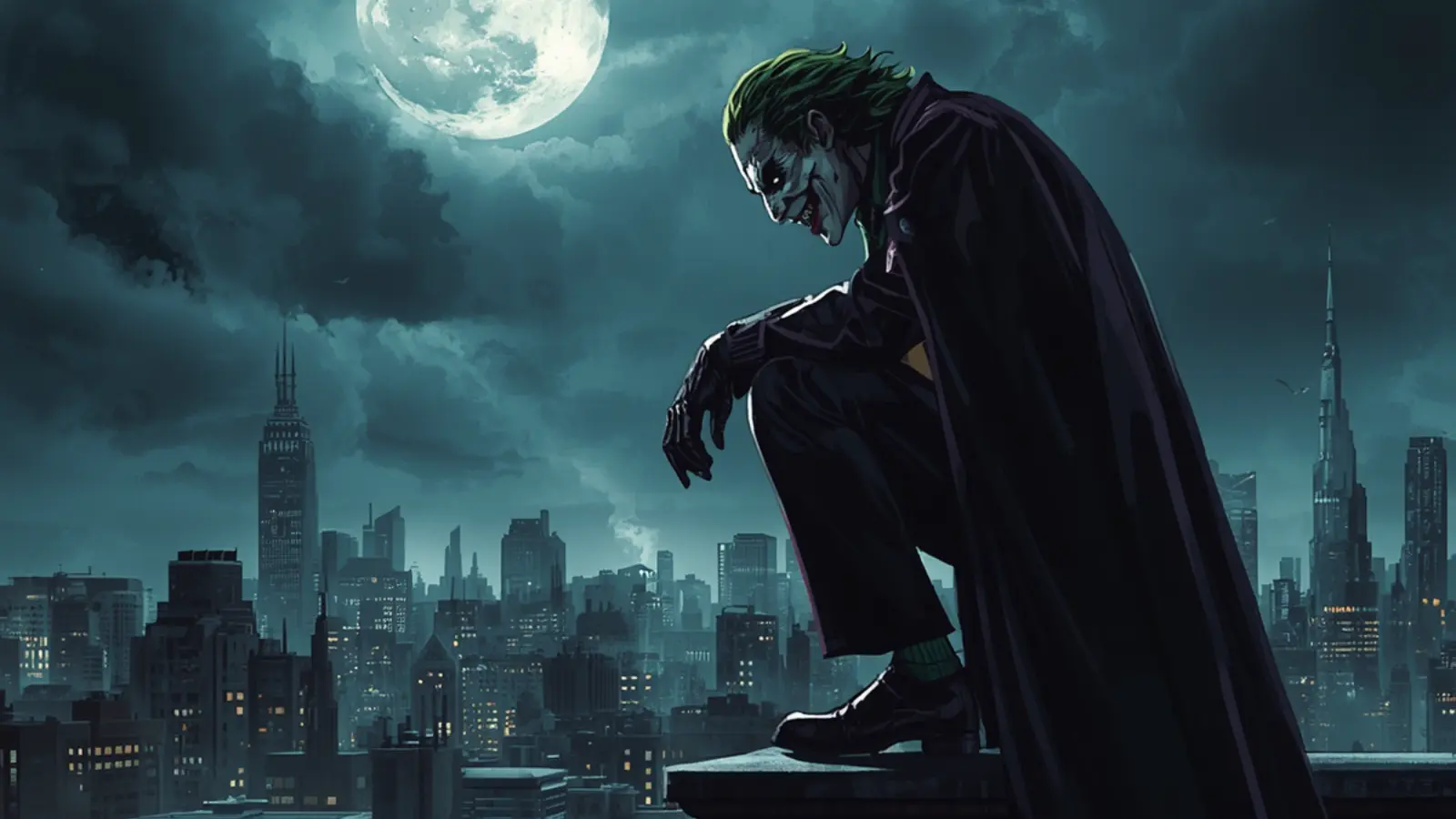
There’s something unsettling about a smile that doesn’t reach the eyes.
Picture this: rain falling over dark rooftops, neon reflecting in puddles, sirens echoing through narrow alleyways.
And somewhere in the shadows… laughter.
Not warm laughter. Not joyful laughter.
The kind that makes your spine tighten.
That laughter belongs to Gotham’s Joker.
He isn’t just a villain. He’s a mirror. A question mark. A cultural wildfire.
From comic panels to blockbuster cinema, from psychological debates to meme culture, Gotham’s Joker has become one of the most analyzed fictional characters in modern storytelling.
Why are we fascinated by him?
Why does chaos wrapped in purple and green feel so hypnotic?
And what makes Gotham’s Joker different from every other antagonist in pop culture?
Let’s step into the madness — slowly, carefully — and unpack the layers.
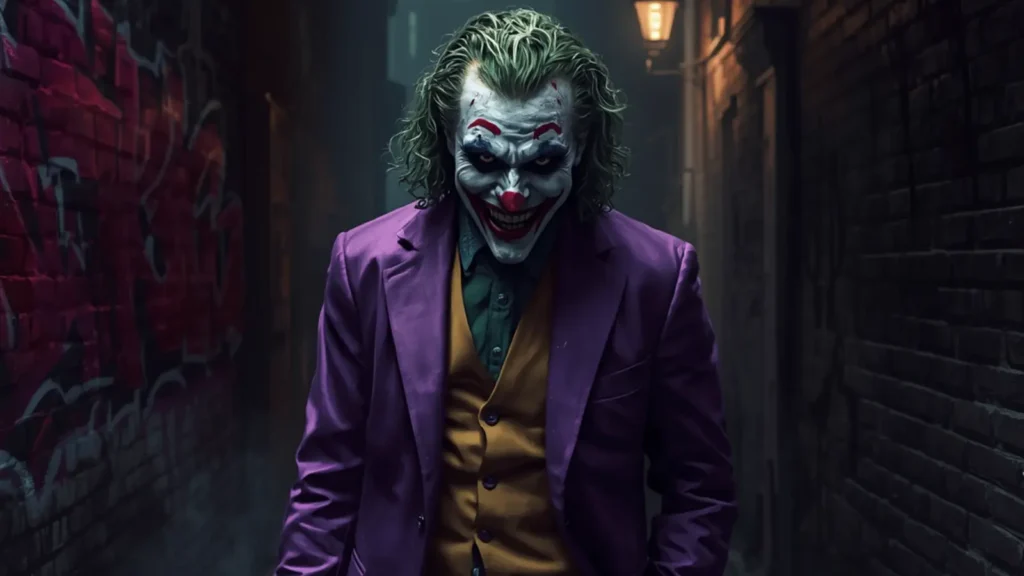
The Dark Magnetism of Gotham’s Joker That Keeps Audiences Hooked
-
🎭 He weaponizes unpredictability, breaking narrative expectations and psychological comfort zones.
-
🃏 His chaotic neutrality challenges traditional good-vs-evil storytelling tropes.
-
🔥 He thrives on disruption, making every scene emotionally volatile.
-
🧠 He destabilizes power structures, targeting authority, morality, and order.
-
🎨 His visual symbolism — smeared makeup, purple suit — signals theatrical menace.
-
⚖️ He rejects societal rules, embodying anarchic philosophy.
-
💣 He escalates stakes instantly, forcing heroes into moral dilemmas.
-
👀 He studies people deeply, exposing hypocrisy.
-
🎤 His dialogue is layered, blending humor with existential dread.
-
💥 He doesn’t want money or control, he wants impact.
-
🕰️ He operates outside time, living in the moment of chaos.
-
🌪️ He reflects Gotham’s decay, making him a symptom, not just a threat.
-
🎬 Each portrayal reinvents him, keeping him culturally fresh.
-
❤️🔥 He fascinates because he terrifies intelligently, not randomly.
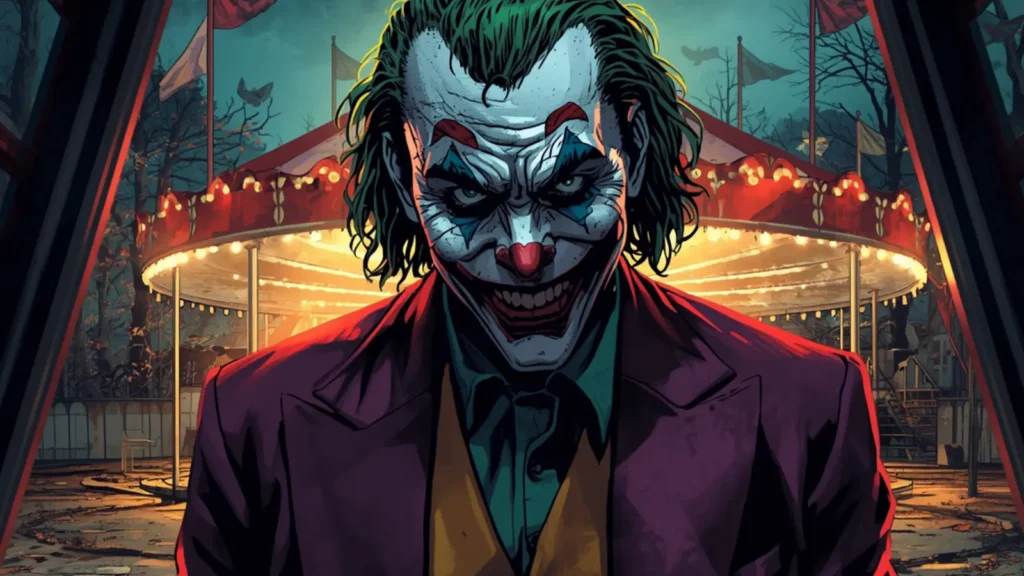
The Psychological Layers Inside Gotham’s Joker
-
🧩 Identity fragmentation — shifting backstories keep him mythic.
-
😈 Antisocial behavioral patterns, but heightened theatrically.
-
🪞 Mirroring technique, forcing others to confront themselves.
-
🧠 Strategic intelligence masked as madness.
-
🎭 Performative chaos, almost stage-like.
-
🕳️ Existential nihilism, questioning meaning itself.
-
💬 Philosophical provocation, not just criminal intent.
-
🔍 Manipulative psychology, understanding fear triggers.
-
⚡ Impulse mixed with calculation, unpredictability with structure.
-
🃏 Humor as emotional armor.
-
🔐 Mystery preservation, never fully explained.
-
🕶️ Shadow archetype energy, per Jungian symbolism.
-
💔 Twisted need for validation through disruption.
-
🎯 Obsession with proving moral fragility.
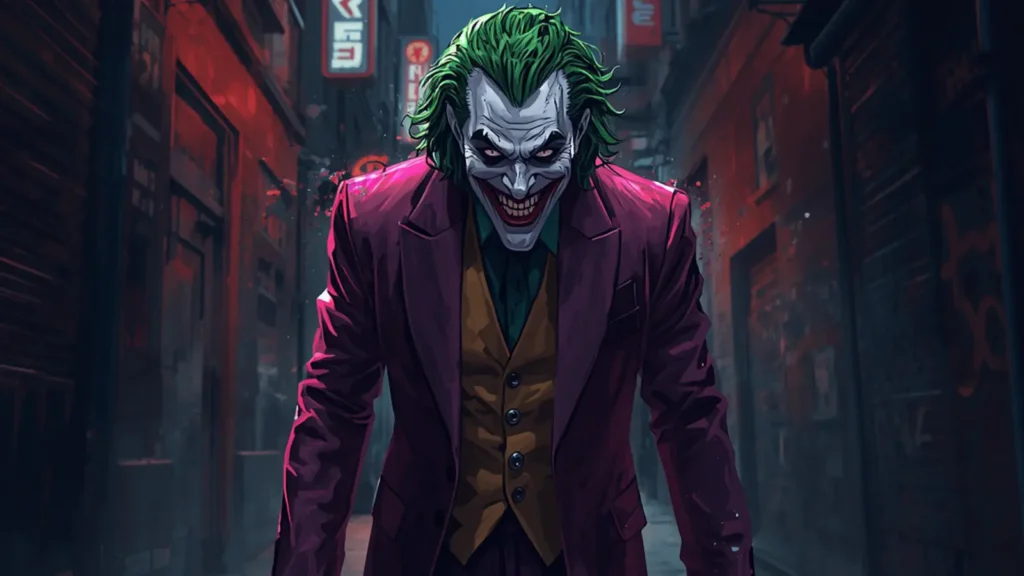
The Eternal Chess Match Between Gotham’s Joker and Batman
-
♟️ Philosophy vs. control, chaos vs. order.
-
🦇 He sees Batman as necessary, not optional.
-
🃏 He tests moral limits, pushing no-kill rules.
-
🎭 They complete each other narratively.
-
🔥 Escalation fuels both identities.
-
🧠 Psychological warfare over physical combat.
-
🪞 Joker as distorted reflection of Bruce Wayne.
-
⚖️ Debate over justice vs. vengeance.
-
🎬 Their scenes drive franchise tension.
-
💣 He forces ethical dilemmas, not just fights.
-
🎭 He performs for Batman specifically.
-
🕳️ He tries to prove moral collapse is inevitable.
-
👁️ He studies Batman’s weaknesses intimately.
-
💜 Their rivalry defines Gotham itself.
Cinematic Reinventions of Gotham’s Joker Across Generations
-
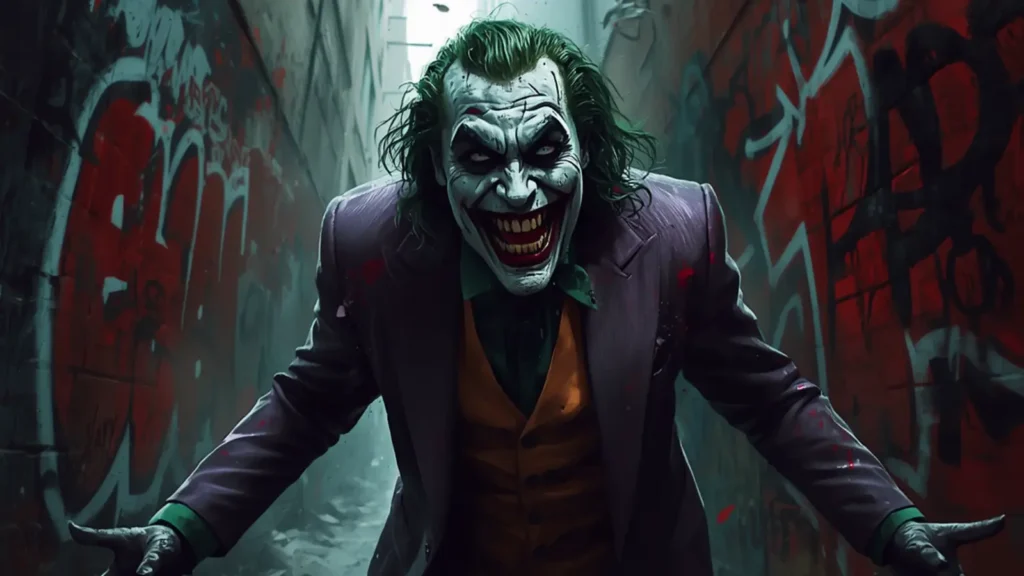
🎥 Cesar Romero’s theatrical flamboyance.
-
🎨 Jack Nicholson’s crime-boss charisma.
-
🧨 Heath Ledger’s anarchic intensity in The Dark Knight.
-
🏆 Joaquin Phoenix’s psychological descent in Joker.
-
🃏 Animated series versions adding dark wit.
-
🎭 Each actor reshapes tone and philosophy.
-
💄 Makeup evolution reflects thematic shifts.
-
🔊 Voice performance influences menace level.
-
🌆 Urban realism vs. comic exaggeration shifts perception.
-
🧠 More humanized portrayals increase discomfort.
-
🎬 Oscar recognition elevated villain legitimacy.
-
🔥 Ledger’s portrayal reshaped cinematic villains forever.
-
🎭 Phoenix emphasized societal breakdown themes.
-
📺 Multiverse storytelling allows variant experimentation.
Symbolism Hidden Within Gotham’s Joker Imagery
-
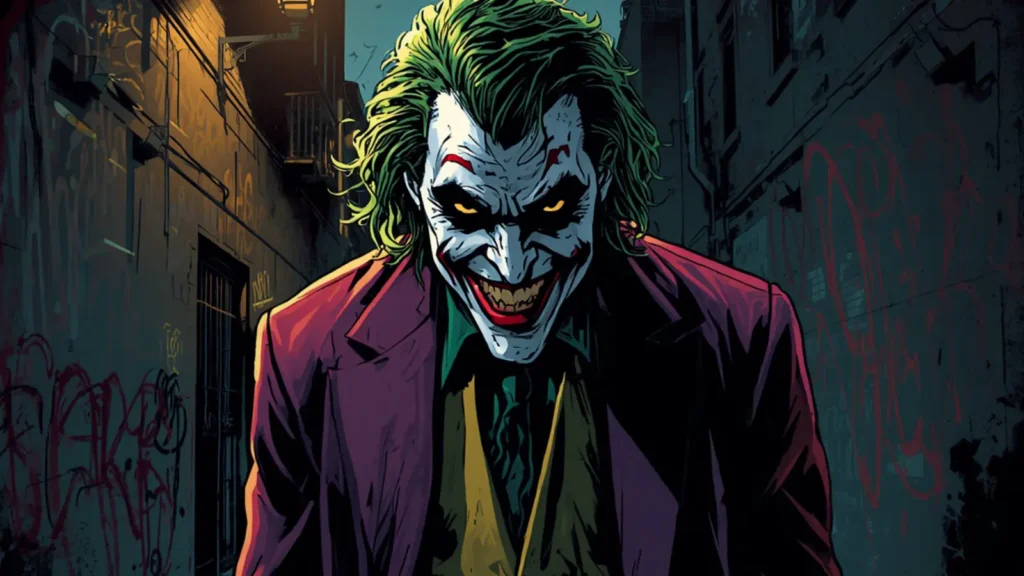
🃏 The playing card motif — risk and randomness.
-
💄 Clown makeup as forced happiness mask.
-
💜 Purple suit symbolizing royalty twisted into crime.
-
🟢 Green hair as toxic rebirth metaphor.
-
🔥 Fire imagery linked to chaos cleansing.
-
🕳️ Scars representing trauma ambiguity.
-
🎭 Smile as deception mechanism.
-
⚡ Explosions as symbolic disruption of order.
-
🪞 Mirrors as fractured identity signals.
-
🎨 Color contrast against dark Gotham palette.
-
🎪 Carnival aesthetics implying spectacle.
-
🧠 Visual irony amplifying psychological tension.
-
🃏 Card symbolism reinforcing unpredictability.
-
🌆 Urban decay as extension of his persona.
Why Gotham’s Joker Resonates in Modern Culture
-
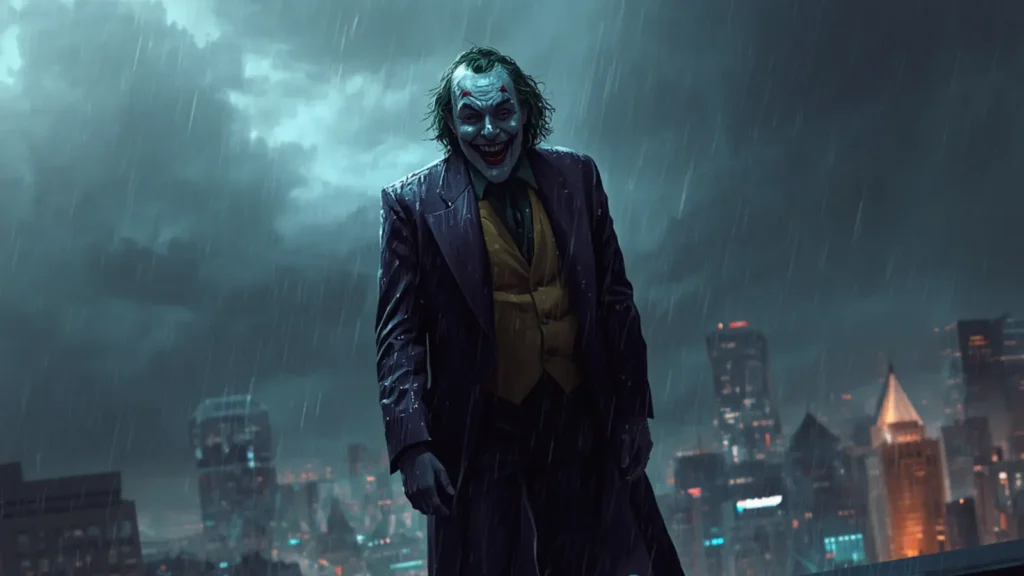
🌍 He represents distrust in institutions.
-
📱 Meme culture amplifies his quotes.
-
🧠 Audiences crave morally complex characters.
-
🔥 Anti-hero fascination spills into villain admiration.
-
🎭 He embodies rebellion fantasies.
-
🕶️ Symbol of counterculture attitude.
-
🎬 Dark cinema trends favor layered antagonists.
-
🧩 Psychological thrillers normalize unstable narrators.
-
💬 Internet debates keep him relevant.
-
🧠 He triggers philosophical discussion threads.
-
💥 Quote virality fuels algorithm visibility.
-
🎨 Fan art communities sustain engagement.
-
📺 Streaming platforms revive legacy portrayals.
-
🃏 He evolves with societal anxiety themes.
The Moral Questions Sparked by Gotham’s Joker
-
⚖️ Is morality stable or fragile?
-
🧠 Are systems one bad day away from collapse?
-
🎭 Does chaos reveal truth?
-
💣 Is fear a stronger motivator than hope?
-
🪞 Can anyone become a villain?
-
🔥 Is order artificial?
-
🎬 Should villains be humanized?
-
🕳️ Is sanity socially defined?
-
👁️ Does exposure create transformation?
-
💬 Is humor ever harmless?
-
⚡ Can trauma justify action?
-
🃏 Does unpredictability equal power?
-
🧠 Can intelligence be morally neutral?
-
❤️🔥 Why are we drawn to darkness?
The Evolution of Gotham’s Joker in Comics Lore
-
📚 Golden Age prankster roots.
-
🔪 Darker Bronze Age reinventions.
-
🃏 Killing Joke psychological depth.
-
🎭 Multiple origin ambiguity.
-
🧠 Graphic novels exploring mental state.
-
🕳️ Death and resurrection arcs.
-
🎨 Visual redesign shifts.
-
💥 Violence intensity escalation.
-
🧩 Standalone Joker-focused narratives.
-
🦇 Batman crossovers defining canon.
-
🌆 Gotham-centric plotlines.
-
🎭 Writers imprint philosophical tone.
-
🔥 Iconic cover art solidifying brand.
-
📖 Continuous myth-building over decades.
How Gotham’s Joker Redefined the Modern Villain Archetype
-
🧠 Intelligence over brute strength.
-
🎭 Theatrical presence as weapon.
-
🔥 Ideology-driven chaos.
-
💬 Dialogue-centric menace.
-
⚖️ Moral inversion storytelling.
-
🪞 Psychological mirroring.
-
🕳️ Backstory ambiguity as strength.
-
🧩 Complexity over caricature.
-
🎬 Cinematic gravitas.
-
📱 Viral quotability.
-
🧠 Philosophical villainy.
-
🎨 Iconic visual branding.
-
💣 Strategic unpredictability.
-
❤️🔥 Emotional manipulation mastery.
The Cultural Legacy of Gotham’s Joker in Fashion and Art
-
💜 Purple tailoring trends.
-
🃏 Cosplay dominance at conventions.
-
🎨 Graffiti art tributes.
-
💄 Makeup tutorials online.
-
📸 Photography reinterpretations.
-
🖌️ Abstract art inspired by chaos themes.
-
🎬 Indie film homages.
-
🧠 Academic essays analyzing symbolism.
-
🕶️ Streetwear referencing Joker quotes.
-
📱 TikTok edits driving fandom.
-
🎭 Theater adaptations.
-
🔥 Tattoo art symbolism.
-
🖼️ Gallery exhibitions featuring villain art.
-
🃏 Cultural shorthand for rebellion.
The Emotional Contradiction Inside Gotham’s Joker
-
😈 Menace mixed with charm.
-
🎭 Humor masking darkness.
-
🧠 Intelligence fused with instability.
-
💔 Tragedy hinted but undefined.
-
🔥 Rage expressed theatrically.
-
🕳️ Emptiness disguised as confidence.
-
🃏 Playfulness hiding cruelty.
-
👁️ Vulnerability glimpsed briefly.
-
⚡ Chaos with calculated planning.
-
🎨 Beauty in destruction imagery.
-
💬 Wit layered over threat.
-
🪞 Reflection of society’s cracks.
-
💥 Destruction framed as performance.
-
❤️🔥 Fascination rooted in fear.
How Gotham’s Joker Shapes Audience Psychology
-
🧠 Activates fear curiosity loop.
-
🎭 Creates emotional dissonance.
-
⚖️ Forces moral evaluation.
-
🔥 Increases narrative tension.
-
👀 Heightens attention focus.
-
🃏 Engages cognitive unpredictability bias.
-
💬 Sparks debate communities.
-
🕳️ Triggers shadow exploration.
-
📱 Encourages quote sharing.
-
🎬 Elevates rewatch value.
-
🧩 Builds long-term character loyalty.
-
🧠 Stimulates philosophical thinking.
-
💥 Intensifies emotional memory.
-
❤️🔥 Leaves lingering psychological impact.
The Future Possibilities for Gotham’s Joker Storytelling
-
🌌 Multiverse exploration arcs.
-
🎬 Psychological thriller expansions.
-
🧠 Deep mental health discourse integration.
-
🎭 Experimental narrative structures.
-
📺 Limited series character studies.
-
🔥 Ideological conflict evolution.
-
🃏 AI-era villain reinterpretations.
-
🖌️ Stylized animation revivals.
-
🧩 Interactive storytelling formats.
-
🎮 Gaming immersion expansions.
-
💬 Social commentary modernization.
-
🕳️ Minimalist origin reinterpretations.
-
🎨 Artistic rebranding cycles.
-
❤️🔥 Endless reinvention capacity.
Frequently Asked Questions About Gotham’s Joker
1. Who is Gotham’s Joker in the DC universe?
Gotham’s Joker is the primary antagonist of Batman in DC Comics. He is portrayed as a criminal mastermind who thrives on chaos, psychological warfare, and philosophical conflict rather than material gain. His origins vary across storylines, which adds mystery and mythic depth to his character.
2. Why is Gotham’s Joker considered one of the greatest villains ever?
He blends intelligence, unpredictability, and ideology. Unlike traditional villains who seek power or wealth, Gotham’s Joker seeks to challenge morality itself. His psychological depth and layered performances across film and comics elevate him beyond a simple antagonist.
3. What mental traits define Gotham’s Joker?
He displays antisocial tendencies, manipulative behavior, and theatrical presentation. However, many portrayals emphasize high intelligence and strategic thinking. His unpredictability is often intentional rather than purely impulsive.
4. How does Gotham’s Joker differ from other comic book villains?
Most villains want control or revenge. Gotham’s Joker wants disruption. He represents chaos as philosophy, not just crime as ambition. That distinction gives him long-term narrative power.
5. Which actor portrayed Gotham’s Joker most famously?
Heath Ledger’s performance in The Dark Knight is widely regarded as transformative, earning posthumous Academy Award recognition. Joaquin Phoenix also received major acclaim for his psychologically intense portrayal in Joker (2019).
6. Is Gotham’s Joker purely evil?
Interpretations vary. Some portray him as irredeemable chaos. Others frame him as a tragic product of societal neglect. The ambiguity is part of his enduring appeal.
7. Why does Gotham’s Joker fixate on Batman?
Batman represents order, discipline, and moral restraint. Joker seeks to dismantle those structures. Their conflict is philosophical, not just physical.
8. Will Gotham’s Joker continue evolving?
Absolutely. As culture changes, new interpretations will emerge. His adaptability ensures longevity in comics, film, and streaming media.
Final Thoughts on Gotham’s Joker
Gotham’s Joker isn’t just a villain.
He’s a question.
A crack in the system.
A smile hiding a storm.
A character who forces us to examine morality, fear, and chaos in ways that feel uncomfortable — yet unforgettable.
And that is why Gotham’s Joker remains immortal in pop culture.
Not because he laughs.
But because we can’t stop listening.
A meme-inspired comedy author focused on gaming jokes, late-night humor, and nerd culture.