
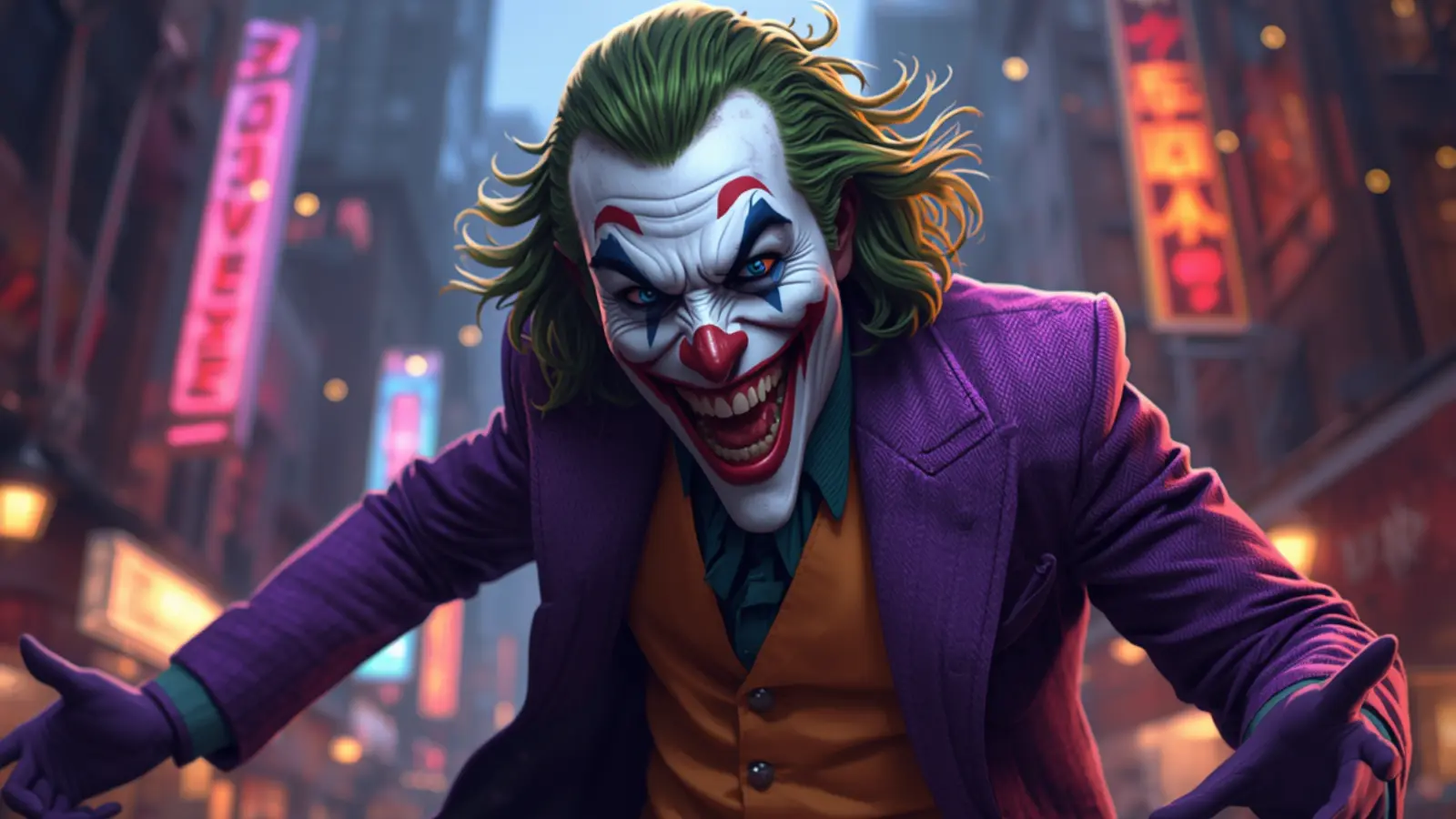
There’s something dangerously irresistible about a villain who smiles while the world burns.
You don’t just watch him — you feel him. The smirk. The slow clap. The unpredictable laugh that makes your skin tingle.
The classic joker isn’t just a comic book character. He’s a psychological storm, a cultural symbol, and an emotional paradox wrapped in purple silk and smeared lipstick.
From comic panels to blockbuster films, from whispered quotes to viral memes, this iconic villain has seduced generations.
He makes us uncomfortable — and yet, we can’t look away. Why?
Because he reflects the chaos we hide. The rebellion we suppress. The questions we’re afraid to ask.
Today, we’re diving deep into the psychology, history, symbolism, performance legacy, and emotional power of the classic joker — not as a simple villain, but as a timeless archetype that refuses to fade.
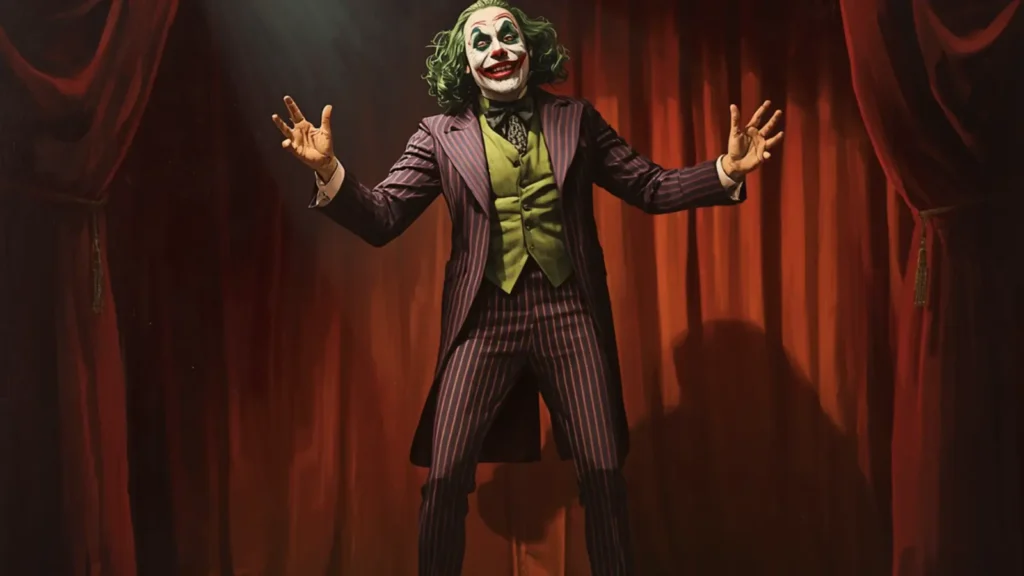
1. The Psychological Spell of the classic joker That Hooks the Human Mind
-
🧠 The classic joker taps into our fascination with chaos versus control — a core psychological conflict in human behavior.
-
🎭 He represents the “shadow self,” a concept explored in depth within personality theory and dark archetypes.
-
🔥 His unpredictability triggers adrenaline, activating curiosity and fear at the same time.
-
💋 That exaggerated smile creates cognitive dissonance — joy mixed with danger.
-
🪞 He mirrors suppressed rebellion, especially in rule-bound societies.
-
🎢 Emotional volatility makes him psychologically stimulating compared to predictable villains.
-
🃏 The trickster archetype he embodies exists across mythology and folklore.
-
🌪 His chaotic philosophy challenges rigid moral systems.
-
💣 The absence of clear motive increases narrative tension and psychological intrigue.
-
🖤 His theatrical presence amplifies emotional engagement in storytelling.
-
🧩 Viewers project their own unresolved anger onto him.
-
⚖️ He tests the ethical boundaries of heroes like Batman.
-
🕯 The tension between humor and horror heightens emotional complexity.
-
🌙 The classic joker thrives in ambiguity — and the human brain craves answers.
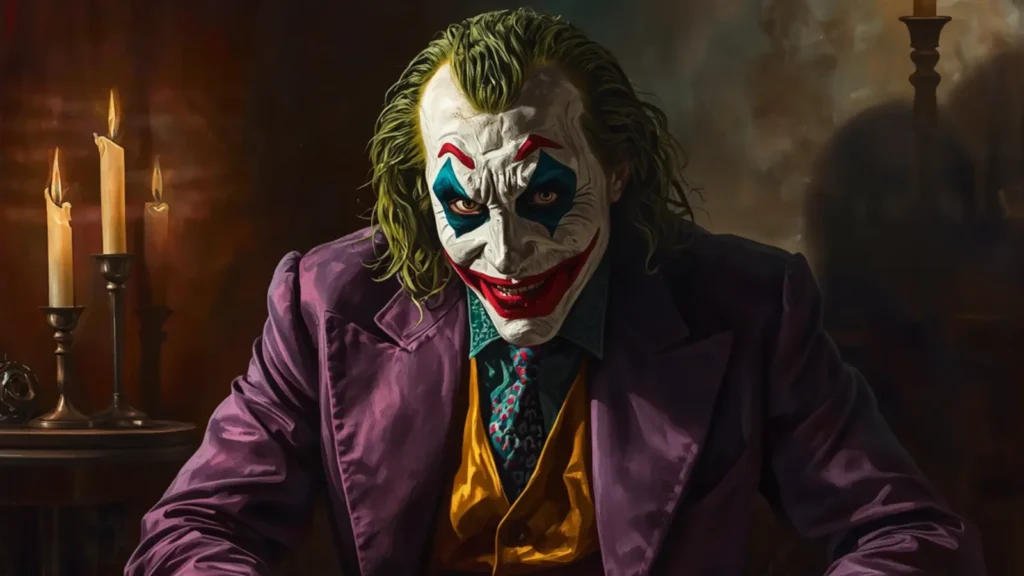
2. The Cultural Impact of the classic joker Across Generations
-
🌎 Since his debut in DC Comics, he has shaped villain archetypes globally.
-
📚 He redefined comic book antagonists as psychologically layered figures.
-
🎬 Film adaptations expanded his cultural footprint beyond print.
-
🎨 Pop art, street art, and fashion echo his signature aesthetic.
-
🎤 Quotes attributed to the classic joker trend across social platforms.
-
🎮 Video games use him as a benchmark for compelling villains.
-
🧵 Cosplay culture keeps his legacy alive at conventions worldwide.
-
📰 Academic studies analyze his moral nihilism and symbolic rebellion.
-
💄 His makeup style became instantly recognizable iconography.
-
🎧 Podcasts and think pieces dissect his philosophical worldview.
-
🏙 His presence defines the tone of Gotham City.
-
📈 Search trends show ongoing global interest in his character arc.
-
🖋 Writers often reference him when crafting chaotic antagonists.
-
🌟 The classic joker remains culturally relevant decades after creation.
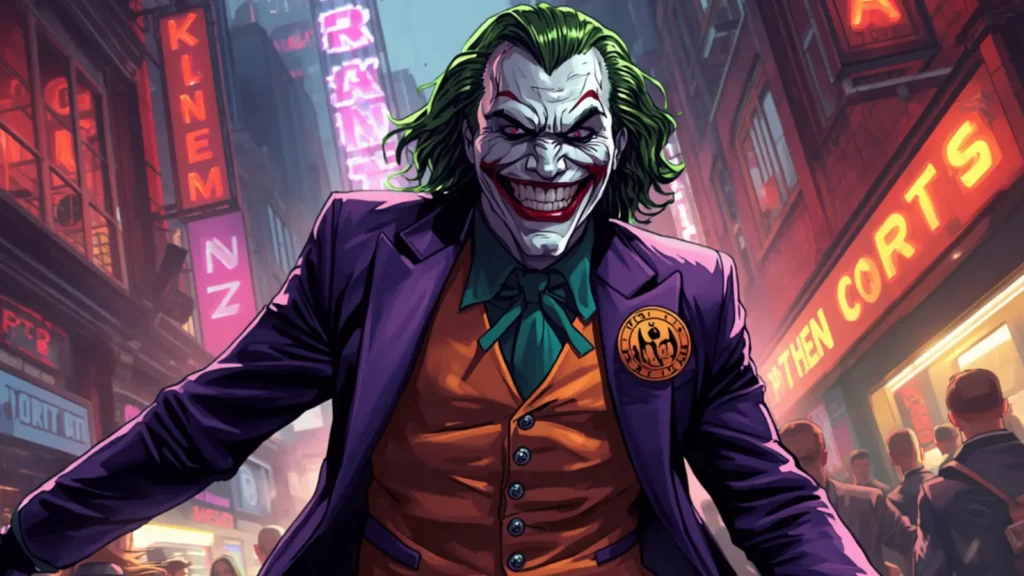
3. The Origin Story Layers That Shape the classic joker Mystery
-
🃏 Unlike most villains, his origin shifts depending on the storyline.
-
🧪 The “chemical accident” narrative adds tragic undertones.
-
🕳 Multiple backstories preserve narrative unpredictability.
-
🎭 Mystery increases long-term audience fascination.
-
📖 Some arcs portray him as a failed comedian — humanizing yet disturbing.
-
🧠 Psychological trauma elements deepen character complexity.
-
🔍 Ambiguity allows reinterpretation across decades.
-
💭 His unreliable memory enhances storytelling tension.
-
🖤 Lack of a fixed identity reinforces symbolic chaos.
-
⚡ Reinvention keeps him fresh for modern audiences.
-
🎬 Film adaptations reinterpret his beginnings creatively.
-
🔄 Narrative flexibility fuels SEO interest in “true origin” searches.
-
🌫 Myth-building elevates him from villain to legend.
-
❤️ The classic joker is powerful precisely because he refuses definition.
4. The Cinematic Reinventions of the classic joker That Changed Film History
-
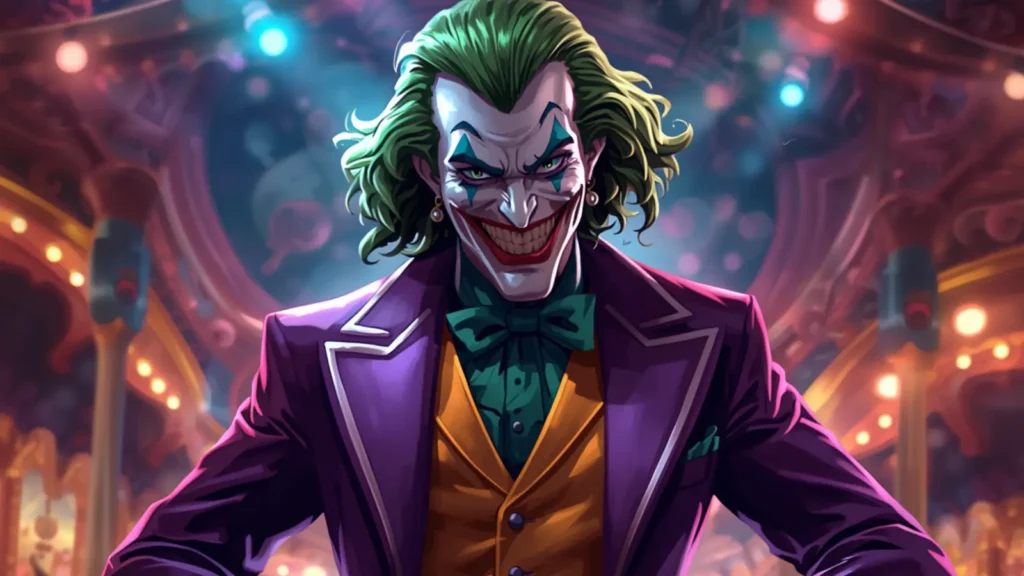
🎥 Jack Nicholson gave him flamboyant menace in Batman.
-
🔥 Heath Ledger redefined villain realism in The Dark Knight.
-
🖤 Joaquin Phoenix delivered psychological depth in Joker.
-
🎭 Each portrayal reflects the social anxieties of its era.
-
🧨 Ledger’s anarchist interpretation amplified chaos ideology.
-
🧠 Phoenix’s version emphasized mental health and alienation.
-
💄 Costume design evolved while preserving core symbolism.
-
🎶 Musical scoring heightened emotional immersion.
-
🏆 Award recognition elevated villain roles in Hollywood.
-
📊 Box office success proves lasting audience demand.
-
📣 Marketing campaigns centered on character psychology.
-
🧵 Costume details fueled fan analysis threads.
-
🎬 Each film deepened narrative complexity around hero-villain dynamics.
-
🌟 The classic joker became cinematic royalty.
5. The Fashion Aesthetic of the classic joker and Why It Seduces
-
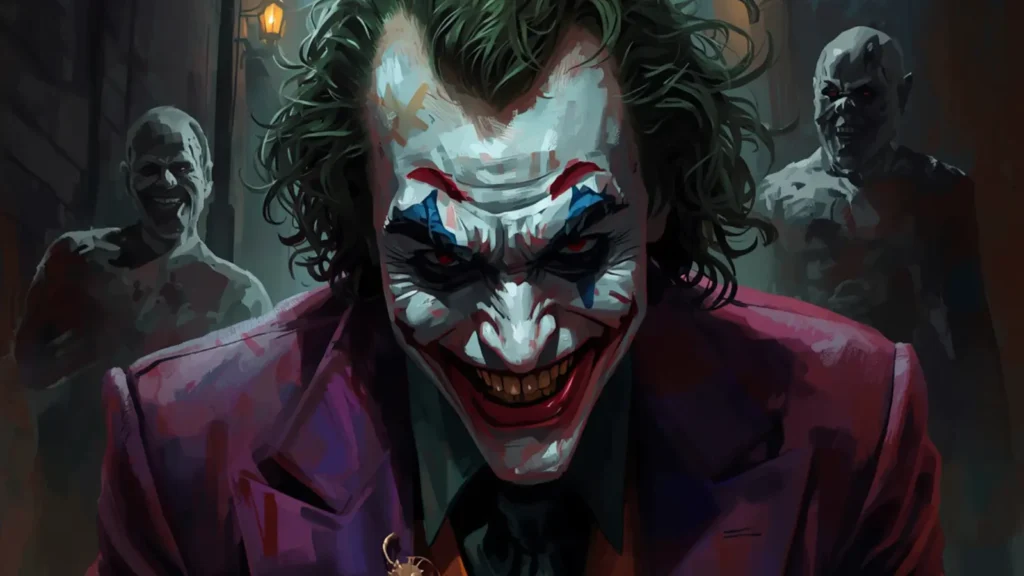
💜 Purple suits symbolize eccentric power.
-
🟢 Green hair signals rebellion against conformity.
-
💄 Smudged lipstick blurs performance and identity.
-
👞 Vintage tailoring contrasts modern chaos.
-
🎩 Accessories amplify theatrical energy.
-
🧥 Layering creates visual unpredictability.
-
🖌 Color psychology enhances memorability.
-
📸 Bold visuals perform well in digital media algorithms.
-
🧵 Designers reinterpret his look for runway inspiration.
-
🖤 The aesthetic balances elegance and danger.
-
🌹 Romanticized villain fashion attracts niche fandoms.
-
🎨 Cosplayers experiment with textures and materials.
-
💥 Visual intensity strengthens brand recall.
-
💋 The classic joker proves style can be weaponized.
6. The Philosophical Chaos Theory of the classic joker Explained Simply
-
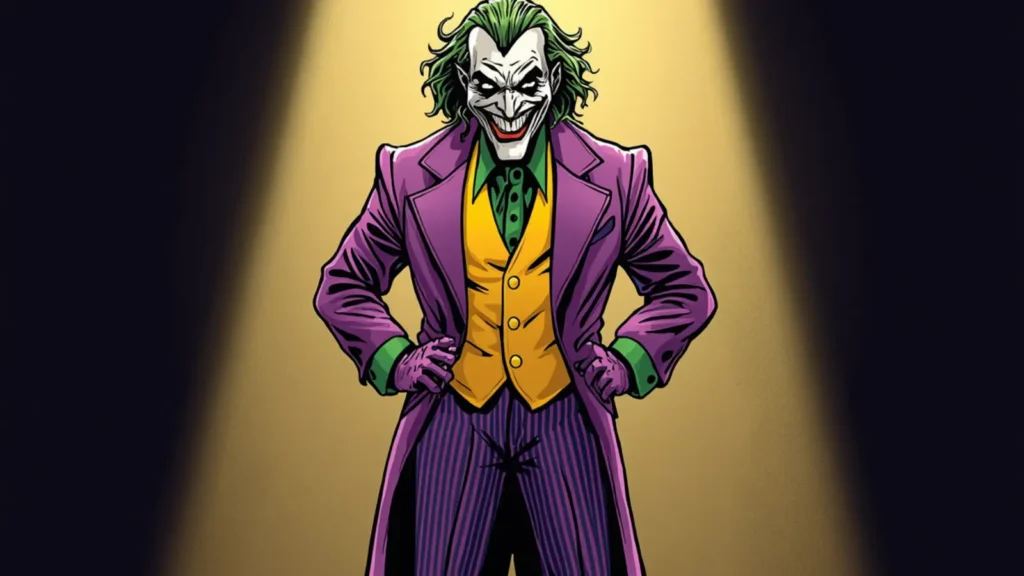
⚖️ He challenges absolute morality.
-
🧨 Chaos tests societal structures.
-
🎭 Humor becomes a weapon.
-
🪞 He exposes hypocrisy in institutions.
-
💣 Randomness disrupts control systems.
-
🧠 Nihilism questions meaning itself.
-
🃏 Games symbolize psychological experiments.
-
🔥 Anarchy rejects hierarchy.
-
📖 His dialogue invites philosophical debate.
-
🖤 Moral relativism intensifies conflict.
-
🌪 Disorder creates narrative propulsion.
-
🧩 He thrives where logic fails.
-
🎢 Emotional unpredictability reflects real-world instability.
-
💥 The classic joker turns chaos into ideology.
7. The Emotional Duality Inside the classic joker Persona
-
😈 He terrifies and fascinates simultaneously.
-
😢 Traces of sadness peek beneath bravado.
-
😏 Confidence masks vulnerability.
-
🧠 Intelligence fuels manipulation.
-
🖤 Pain converts into performance.
-
🎭 Laughter hides existential despair.
-
🔥 Anger transforms into spectacle.
-
🌙 Loneliness shapes obsession.
-
💋 Charm seduces before destruction.
-
⚡ Impulsivity contrasts strategic brilliance.
-
🪞 Identity fractures intensify complexity.
-
🎢 Emotional extremes captivate viewers.
-
🕯 Dark humor eases discomfort.
-
❤️ The classic joker embodies beautiful contradiction.
8. The Relationship Between classic joker and His Greatest Rival
-
🦇 His dynamic with Batman defines narrative tension.
-
⚖️ Order versus chaos fuels plot structure.
-
🧩 Each challenges the other’s identity.
-
🎭 Psychological warfare replaces physical strength.
-
🖤 Obsession drives repeated confrontation.
-
🔥 Conflict escalates stakes dramatically.
-
🪞 They mirror each other’s trauma.
-
🌪 Gotham becomes their battleground.
-
🎬 Films highlight their ideological clash.
-
📚 Comics deepen philosophical rivalry.
-
🧠 Both represent responses to fear.
-
⚡ Emotional dependency intensifies conflict.
-
💥 Their chemistry elevates storytelling.
-
🖤 The classic joker exists because the hero does.
9. The Symbolism Hidden in the Smile of the classic joker
-
😃 The grin represents forced joy.
-
🩸 It masks emotional wounds.
-
🎭 Makeup blurs truth and illusion.
-
🧠 It triggers discomfort in viewers.
-
🖤 Smiling during violence shocks expectations.
-
🌙 It symbolizes societal performance.
-
🔥 The smile becomes a brand icon.
-
🧩 It reflects fragmented identity.
-
🎨 Artists reinterpret it endlessly.
-
💋 Seduction and menace merge.
-
⚡ Humor intensifies horror.
-
🪞 It mirrors our own social masks.
-
📸 Visual memorability aids marketing.
-
❤️ The classic joker smile never fades.
10. The Marketing Genius Behind the classic joker Legacy
-
📈 Viral campaigns amplified anticipation.
-
🃏 Character-driven trailers built intrigue.
-
🎬 Teasers emphasized psychological themes.
-
🧵 Social media puzzles engaged fans.
-
🎨 Posters highlighted iconic visuals.
-
💄 Merchandise expanded brand identity.
-
📊 SEO searches spike during film releases.
-
🖤 Controversy fuels conversation.
-
🎤 Actor interviews deepen lore.
-
🧠 Narrative mystery sustains attention.
-
🔥 Limited reveals increase desire.
-
📸 Meme culture strengthens reach.
-
🌎 Global releases widen cultural impact.
-
💥 The classic joker is marketing brilliance.
11. The Dark Humor Language Style of the classic joker
-
🎭 Punchlines precede violence.
-
🖤 Sarcasm destabilizes opponents.
-
🧠 Wordplay enhances intelligence portrayal.
-
🔥 Irony challenges authority.
-
😏 Mockery builds dominance.
-
📖 Dialogue fuels quotability.
-
🎢 Humor offsets horror.
-
🪞 Jokes expose uncomfortable truths.
-
⚡ Fast delivery increases tension.
-
🎤 Monologues deepen character insight.
-
💬 Memorable lines drive SEO search queries.
-
🌪 Humor disguises intent.
-
🧩 Conversational unpredictability sustains intrigue.
-
❤️ The classic joker laughs at fear itself.
12. The Psychological Influence of the classic joker on Audiences
-
🧠 Encourages moral reflection.
-
🖤 Sparks debate about justice.
-
🔥 Inspires fan theories.
-
🎭 Promotes analysis of villain psychology.
-
🧩 Triggers empathy in complex narratives.
-
📚 Used in academic case studies.
-
🎬 Influences modern anti-hero writing.
-
💬 Drives online discussion forums.
-
⚖️ Challenges black-and-white thinking.
-
🪞 Reflects societal anxieties.
-
🌙 Creates emotional catharsis.
-
💥 Increases engagement metrics.
-
🎢 Heightens narrative immersion.
-
❤️ The classic joker stays in your mind long after credits roll.
13. The Evolution Timeline of the classic joker From Page to Screen
-
📖 Debuted in 1940 comics.
-
🖋 Golden Age portrayed theatrical crime.
-
🎨 Silver Age softened tone.
-
🔥 Modern arcs intensified darkness.
-
🎬 1989 film expanded mainstream fame.
-
🖤 2008 portrayal redefined villain realism.
-
🎭 2019 adaptation centered psychological drama.
-
📊 Streaming platforms expanded accessibility.
-
🧵 Fan edits circulate globally.
-
🧠 Narrative tone reflects cultural shifts.
-
🌎 International audiences reinterpret symbolism.
-
🎮 Gaming adaptations deepen immersion.
-
📈 Search trends show consistent growth.
-
💥 The classic joker evolves without losing essence.
14. The Timeless Magnetism of the classic joker in Modern Storytelling
-
💋 Seductive unpredictability captivates audiences.
-
🧠 Intellectual menace intrigues thinkers.
-
🔥 Chaos contrasts safe narratives.
-
🎭 Emotional depth humanizes villainy.
-
🖤 Style amplifies symbolic power.
-
⚡ Dialogue sparks cultural resonance.
-
🪞 He reflects hidden human impulses.
-
🌙 Darkness feels strangely poetic.
-
💥 Conflict fuels dramatic tension.
-
🎬 Performances attract awards and acclaim.
-
📚 Writers revisit him for fresh arcs.
-
🧩 Complexity invites analysis.
-
🌎 Global fandom sustains longevity.
-
❤️ The classic joker will never fade into silence.
Frequently Asked Questions About classic joker
1. Why is the classic joker considered the greatest comic book villain?
The classic joker stands out because of his psychological complexity, unpredictability, and philosophical depth. Unlike one-dimensional villains, he challenges morality, exposes hypocrisy, and thrives on chaos rather than simple power or revenge. His layered portrayals in comics and films create emotional tension that resonates with audiences. He is not just a villain; he is an ideological force that tests heroes and viewers alike.
2. What is the true origin story of the classic joker?
There is no single confirmed origin. Some storylines suggest a failed comedian who fell into chemicals, while others keep his past intentionally vague. This narrative ambiguity enhances mystery and keeps the character adaptable across generations. The lack of a fixed backstory strengthens his mythic status.
3. Which actor portrayed the classic joker most famously?
Several actors delivered iconic performances. Heath Ledger’s portrayal is often praised for its anarchist realism, while Joaquin Phoenix offered a deeply psychological interpretation. Jack Nicholson brought flamboyant menace. Each version reflects the era’s cultural mood.
4. Why does the classic joker laugh so much?
His laughter symbolizes chaos, emotional instability, and mockery of societal norms. It destabilizes opponents and unsettles audiences. Psychologically, laughter masks pain and asserts dominance in tense situations.
5. Is the classic joker truly evil or misunderstood?
Interpretations vary. Some see pure nihilism; others detect trauma and societal rejection. His complexity allows audiences to debate morality, making him far more intriguing than a typical villain.
6. How does the classic joker influence modern villains?
Modern antagonists often incorporate psychological depth, moral ambiguity, and philosophical conflict inspired by his legacy. He set the benchmark for intelligent, emotionally layered villain writing.
7. What makes the classic joker so visually iconic?
The purple suit, green hair, and haunting smile create instant recognition. Color psychology, theatrical styling, and exaggerated makeup reinforce his symbolic presence.
8. Why is the classic joker obsessed with Batman?
Their rivalry represents order versus chaos. Each defines the other. Without Batman’s rigid morality, the Joker’s chaos loses purpose — and vice versa.
9. Is the classic joker relevant today?
Absolutely. Themes of societal instability, mental health, rebellion, and moral conflict make him highly relevant in modern discourse.
10. What lessons can audiences learn from the classic joker?
He challenges viewers to question morality, control, and societal structures. While not a role model, he encourages deep reflection on human psychology and the thin line between order and chaos.
Final Thoughts: Why classic joker Will Always Haunt and Seduce Us
The classic joker isn’t just ink on paper or a performance on screen.
He’s a mirror — cracked, painted, and laughing.
He reflects our hidden fears, our suppressed rebellion, our hunger for disruption in a world obsessed with control.
He makes us uncomfortable… and that’s exactly why we need him in storytelling.
As long as humans wrestle with chaos and order, light and shadow, sanity and madness — the classic joker will keep smiling.
And we’ll keep watching.

A high-energy comedy creator focused on modern dating, texting fails, and social media drama.