
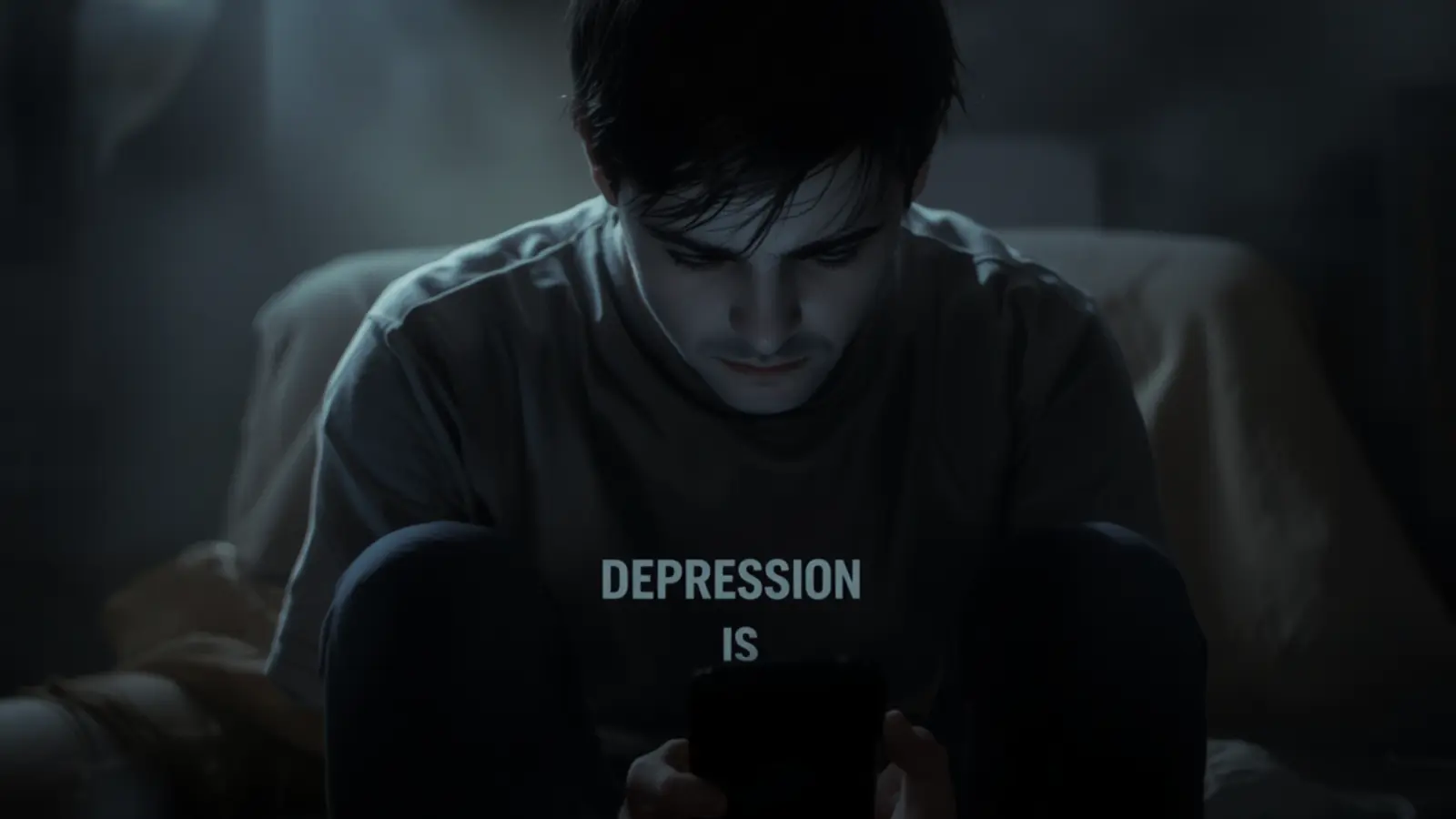
Depression. The word alone carries a weight that’s hard to describe.
It’s invisible yet heavy, silent yet deafening, personal yet universally misunderstood.
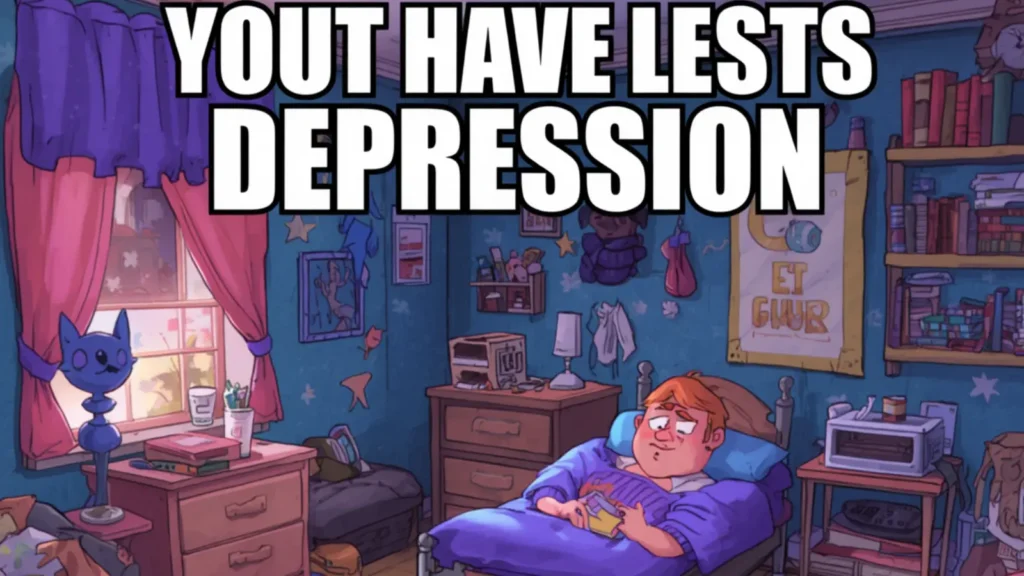
In a world where memes dominate online culture, a new trend has emerged: the “depression is not a joke meme.”
On the surface, it might seem like just another internet trend, but beneath the humor lies a profound message: mental health struggles are real, and trivializing them can hurt more than help.
This article dives deep into the “depression is not a joke meme” phenomenon, exploring its meaning, societal impact, emotional undertones, and why awareness is more important than ever.
Whether you’ve seen the meme circulating in chats, social media feeds, or even among friends, this guide will help you understand why this seemingly lighthearted content carries weight, and why approaching mental health with sensitivity is essential.
By the end, you’ll not only understand the meme but also gain tools to navigate conversations around depression with empathy, insight, and emotional intelligence.
1. Why the Depression Is Not a Joke Meme Resonates Deeply
-
😔 Authenticity in Humor – The meme blends humor with honesty, reflecting real struggles.
-
💬 Breaking Silence – It sparks conversations that often feel too uncomfortable to start.
-
🧠 Mental Awareness – Users share it as a subtle reminder that depression is real.
-
🌐 Internet Empathy – Communities online relate through shared experiences.
-
🎭 Masking Feelings – Humor becomes a coping mechanism for hidden pain.
-
🤝 Encouraging Vulnerability – It normalizes admitting mental struggles without judgment.
-
📉 Highlighting Misconceptions – Challenges stereotypes that mental health issues are trivial.
-
💡 Raising Awareness – Sparks reflection about how society views depression.
-
🔄 Shareable Impact – Quick, relatable, and easy to circulate, giving the message reach.
-
📝 Conversation Starter – Encourages people to ask, “Are you okay?”
-
💔 Emotional Catharsis – Offers validation for those who feel unseen.
-
🕊️ Silent Support – For some, sharing the meme is a way to say “I understand.”
-
🌱 Hopeful Undertone – Even in humor, it carries a reminder that help is possible.
-
🔗 Connects Generations – From Gen Z to millennials, the meme transcends age barriers.
2. How Depression Is Not a Joke Meme Challenges Social Norms
-
🚫 Rejects Stigma – Shows depression isn’t a punchline.
-
📢 Promotes Open Dialogue – Makes mental health conversations mainstream.
-
⚖️ Balances Humor and Seriousness – Reflects reality without trivializing pain.
-
🔍 Encourages Observation – People notice subtle signs in themselves and others.
-
🧩 Humanizes Mental Health – Memes translate complex emotions into relatable content.
-
🎨 Creativity Meets Awareness – Artists and meme-makers express vulnerability visually.
-
💬 Challenges Casual Insensitivity – Highlights the harm of joking about depression.
-
🧬 Reflects Emotional Intelligence – Shows society’s growing understanding of mental health.
-
🛡️ Promotes Empathy – Teaches people to approach mental struggles with care.
-
🌎 Cultural Commentary – Comments on how humor is coping in digital spaces.
-
🕰️ Historical Shift – Marks the evolution of online mental health awareness.
-
🗣️ Encourages Self-Expression – Provides a safe platform to share feelings indirectly.
-
🔄 Normalizes Sharing – Breaking barriers around expressing emotional pain.
-
💖 Fosters Support Networks – Builds micro-communities of understanding.
3. The Emotional Psychology Behind Depression Is Not a Joke Meme
-
🧠 Cognitive Relief – Humor reduces stress while conveying serious messages.
-
💔 Validation of Pain – Helps users feel understood without speaking directly.
-
😅 Stress Release – Memes offer a safe space to acknowledge difficult emotions.
-
🌪️ Emotional Turbulence – Captures feelings of unpredictability in depression.
-
🌟 Hopeful Messaging – Even in jest, it can inspire resilience.
-
🔍 Self-Reflection – Users examine their own mental health subtly.
-
🎭 Dual-Layer Processing – Humor and seriousness coexist cognitively.
-
🤗 Community Bonding – Shared experiences reduce feelings of isolation.
-
🛋️ Therapeutic Consumption – Viewing and sharing memes can ease tension.
-
📝 Emotional Literacy – Teaches nuanced understanding of mood and cognition.
-
⚡ Instant Connection – Memes communicate complex feelings quickly.
-
🔗 Trigger Awareness – Highlights emotional vulnerabilities to avoid harm.
-
💡 Perspective Shift – Encourages reflection on personal and social attitudes.
-
🧩 Integration of Humor and Healing – Combines laughter with emotional support.
4. How to Share Depression Is Not a Joke Meme Responsibly
-
🤔 Know Your Audience – Ensure it won’t harm vulnerable friends.
-
💬 Add Context – Explain intent to prevent misinterpretation.
-
❤️ Pair With Support Resources – Include helplines or coping tips.
-
🧠 Be Mindful of Triggers – Avoid sharing in sensitive environments.
-
🔗 Encourage Conversation – Prompt discussions about mental health.
-
👀 Observe Reactions – Respect others’ emotional responses.
-
📝 Share Personal Insight – Explain why it resonates with you.
-
🎨 Create Original Memes Thoughtfully – Avoid copying harmful stereotypes.
-
📢 Amplify Awareness – Use meme as entry point to deeper discussions.
-
🕊️ Respect Privacy – Avoid tagging or exposing personal struggles publicly.
-
🌱 Encourage Self-Care – Suggest resources alongside the meme.
-
🤝 Check in on Friends – Use the meme as a bridge to support.
-
🔄 Balance Humor and Seriousness – Avoid overexposing pain for laughs.
-
💡 Educate Others – Help peers understand meme’s deeper message.
5. The Cultural Impact of Depression Is Not a Joke Meme
-
🌎 Global Awareness – Crosses cultures to highlight universal struggles.
-
📱 Social Media Amplification – Reaches millions instantly.
-
🎭 Redefines Humor Norms – Integrates empathy into comedy.
-
💌 Emotional Messaging – Offers solidarity without words.
-
🧩 Digital Identity Formation – Shapes how Gen Z relates to mental health.
-
💬 Influencer Adoption – Popular figures use memes for advocacy.
-
🔄 Trend Longevity – Resilient because it mixes relatability and message.
-
🕰️ Marks Historical Moments – Represents evolving mental health awareness.
-
🛡️ Counteracts Stigma – Challenges dismissive attitudes culturally.
-
🎨 Encourages Creative Expression – Memes as art reflecting struggles.
-
🧠 Education Through Humor – Makes mental health approachable.
-
🌟 Empathy in Digital Spaces – Fosters understanding online.
-
🔍 Critical Discussions – Encourages debates on responsible humor.
-
❤️ Human Connection – Strengthens bonds through shared experiences.
6. Why Humor Can Help—but Not Harm—With Depression Is Not a Joke Meme
-
😅 Stress Relief – Laughter lowers cortisol temporarily.
-
🧘 Mindful Coping – Provides an outlet without avoidance.
-
🤝 Shared Experience – Humor connects people experiencing similar struggles.
-
💡 Perspective Change – Helps see difficulties with a new lens.
-
🎭 Emotion Regulation – Balances heaviness with lightness.
-
🌈 Hope and Resilience – Humor inspires persistence.
-
⚖️ Boundary Awareness – Must avoid belittling real pain.
-
📝 Safe Storytelling – Communicates personal experience indirectly.
-
🌟 Encourages Openness – Invites dialogue without pressure.
-
📢 Amplifies Awareness – Humor spreads messages faster.
-
🔄 Community Healing – Shared laughter reduces isolation.
-
🧠 Cognitive Reframing – Shifts interpretation of negative events.
-
🕊️ Non-judgmental Support – Creates space to feel understood.
-
💖 Emotional Resilience – Combines levity with validation.
7. Understanding the Risks of Misusing Depression Is Not a Joke Meme
-
⚠️ Trivialization – Reduces serious struggles to punchlines.
-
💔 Triggering Content – Can worsen symptoms for some users.
-
📉 Stigma Reinforcement – May unintentionally mock mental illness.
-
🗑️ Overexposure – Too much humor can desensitize audiences.
-
📝 Lack of Context – Misinterpretation is common without explanation.
-
🔄 Viral Spread of Harm – Memes may reach unintended audiences.
-
🤔 Confusing Messaging – Dual meaning can dilute awareness.
-
👀 Insensitive Sharing – Risks offending vulnerable people.
-
🕊️ Privacy Violations – Sharing personal struggles publicly can backfire.
-
⚡ Emotional Exhaustion – Overconsumption can overwhelm users.
-
🧠 Cognitive Misreading – Humor may mislead people about seriousness.
-
📢 Unintended Mockery – Can be co-opted for insensitive jokes.
-
🌪️ Emotional Mismanagement – Users may feel isolated rather than supported.
-
💡 Importance of Intent – Awareness and empathy must guide sharing.
8. How Therapists View Depression Is Not a Joke Meme
-
🧠 Coping Mechanism – Memes often mirror real-life strategies.
-
🤝 Community Insight – Helps therapists understand patient narratives.
-
💬 Conversation Starter – Opens doors for difficult dialogues.
-
📚 Psychoeducation Tool – Bridges gaps in understanding depression.
-
🌟 Validation Source – Recognizes patients’ lived experiences.
-
⚖️ Balanced Interpretation – Encourages mindfulness in humor.
-
📝 Self-Expression Channel – Gives safe outlet for difficult emotions.
-
💌 Empathy Reinforcement – Supports therapeutic goals.
-
🔍 Triggers Awareness – Guides sensitive content handling.
-
🕊️ Crisis Awareness – Alerts therapists to underlying struggles.
-
🌈 Encourages Reflection – Promotes insight into emotional states.
-
🎭 Cognitive Processing Aid – Humor helps reframe experiences.
-
🌱 Hope Reinforcement – Even jokes can carry resilience.
-
💡 Professional Validation – Mental health professionals often see value in thoughtful memes.
9. The Science of Humor and Depression in Depression Is Not a Joke Meme
-
🧪 Neurochemical Boost – Laughter triggers dopamine release.
-
🧠 Cognitive Reframing – Humor shifts negative thought patterns.
-
💖 Stress Reduction – Cortisol levels decrease temporarily.
-
🌟 Positive Coping – Supports adaptive strategies for mental health.
-
🎭 Emotional Regulation – Humor balances heavy emotions.
-
🤝 Social Bonding – Shared laughter strengthens connections.
-
🔄 Memory Reinforcement – Funny content is more memorable, reinforcing awareness.
-
💡 Attention Capture – Memes grab focus, improving engagement with mental health messages.
-
⚡ Resilience Activation – Humor enhances psychological flexibility.
-
📝 Self-Expression – Users articulate complex feelings creatively.
-
🌈 Mood Enhancement – Temporary boosts in serotonin and well-being.
-
🕊️ Safe Exploration – Humor allows processing of dark themes safely.
-
📚 Educational Engagement – Fun content improves learning about mental health.
-
💬 Empathy Activation – Humor encourages understanding others’ struggles.
10. Real-Life Stories Reflected in Depression Is Not a Joke Meme
-
🌟 Anonymous Confessions – Shared stories resonate with meme culture.
-
💬 Relatable Struggles – Users see their feelings mirrored online.
-
📝 Digital Diary Effect – Memes serve as emotional snapshots.
-
🤝 Supportive Responses – Communities react with encouragement and empathy.
-
💔 Silent Battles – Highlights unspoken personal struggles.
-
🕊️ Validation Through Laughter – Humor as a relief for emotional pain.
-
🔗 Shared Coping Strategies – Memes introduce new ways to manage emotions.
-
🌱 Hope Stories – Users discuss recovery alongside memes.
-
💡 Normalization of Therapy – Encourages seeking help openly.
-
🎭 Creative Outlets – Memes inspire art, writing, and music around mental health.
-
📢 Awareness Expansion – Stories and memes together educate audiences.
-
🧠 Reflective Learning – Personal experiences prompt introspection.
-
🌈 Community Solidarity – Builds collective understanding.
-
❤️ Encouragement Exchange – Users motivate each other subtly through shared humor.
11. How Schools and Parents Can Address Depression Is Not a Joke Meme
-
🏫 Open Discussions – Normalize talking about memes and mental health.
-
💬 Context Matters – Teach kids how humor and awareness coexist.
-
🌱 Emotional Literacy – Encourage reflection on feelings behind memes.
-
🤝 Supportive Environment – Foster safe spaces for expression.
-
📝 Critical Thinking – Discuss the difference between humor and harm.
-
❤️ Validation Focus – Reinforce empathy and understanding.
-
🔄 Monitoring Social Media – Guide responsible sharing.
-
🕊️ Safe Expression Channels – Art, journaling, and discussion boards.
-
📚 Resource Sharing – Provide helplines and mental health tools.
-
💡 Encourage Questions – Let students voice confusion or curiosity.
-
🌟 Highlight Stories – Share positive examples of awareness and support.
-
⚖️ Balance Humor and Sensitivity – Teach respect for mental health.
-
🧠 Promote Reflection – Encourage students to consider emotional impact.
-
💌 Family Engagement – Foster understanding and empathy at home.
12. How Memes Can Foster Empathy Through Depression Is Not a Joke Meme
-
🤗 Shared Vulnerability – Reveals common struggles.
-
🌟 Relatable Humor – Makes unseen emotions visible.
-
💬 Conversation Catalyst – Encourages supportive dialogue.
-
📝 Storytelling Through Imagery – Memes communicate experiences quickly.
-
🧩 Perspective-Taking – Helps others understand feelings they haven’t experienced.
-
🎭 Emotional Literacy – Teaches nuances in mood and expression.
-
🕊️ Safe Empathy Space – Online environments allow practice of understanding.
-
🔄 Rapid Dissemination – Empathy spreads alongside meme sharing.
-
💖 Validation Across Communities – Builds recognition of lived experiences.
-
⚡ Encourages Active Listening – Prompts reflection on others’ stories.
-
🌈 Combats Isolation – Users feel seen and connected.
-
🧠 Cognitive Awareness – Memes highlight thought patterns behind depression.
-
📢 Amplifies Voices – Marginalized experiences gain visibility.
-
💡 Promotes Compassionate Action – Inspires outreach and support.
13. The Future of Depression Is Not a Joke Meme in Digital Culture
-
🌎 Mainstream Mental Health Awareness – Integration into pop culture.
-
📱 Platform Policies Evolving – Content moderation becomes more nuanced.
-
🎨 Creative Expansion – Meme formats continue evolving.
-
💬 Dialogue Integration – More discussions in classrooms, workplaces, and homes.
-
🔄 Viral Positive Messaging – Memes as tools for social good.
-
🧠 AI and Mental Health – Potential for personalized awareness campaigns.
-
🌈 Global Collaboration – Cross-cultural understanding through humor.
-
📝 Educational Utilization – Memes as part of mental health curriculums.
-
⚡ Community Building – Continued growth of supportive online spaces.
-
🕊️ Resilience Focus – Emphasis on hope alongside awareness.
-
💡 Influencer Responsibility – Public figures guiding mental health messaging.
-
🎭 Blending Art and Awareness – Creative media tackling complex emotions.
-
❤️ Normalization of Vulnerability – Emotional openness becomes socially accepted.
-
🌟 Long-Term Cultural Impact – Humor becomes a recognized ally in mental health advocacy.
14. How to Personally Engage With Depression Is Not a Joke Meme Mindfully
-
🧠 Reflect Before Sharing – Consider emotional impact on yourself and others.
-
💬 Start Conversations – Use memes as gentle entry points to mental health talks.
-
❤️ Validate Feelings – Acknowledge the emotions behind the humor.
-
🌱 Integrate Support Resources – Share helplines or coping strategies.
-
🤝 Connect With Others – Discuss experiences in supportive spaces.
-
🔄 Balance Humor and Sensitivity – Avoid casual dismissal of struggles.
-
📝 Express Yourself Creatively – Make original memes responsibly.
-
🕊️ Practice Self-Care – Monitor emotional reactions to content.
-
💡 Educate Others Gently – Guide peers in responsible meme-sharing.
-
🌟 Celebrate Resilience – Highlight stories of hope and recovery.
-
⚖️ Respect Boundaries – Don’t pressure others to relate.
-
💖 Promote Community Support – Encourage collective empathy.
-
📢 Use Platform Power Wisely – Share messages with intent and care.
-
🌈 Embrace Mindful Humor – Let laughter coexist with compassion and awareness.
FAQ About Depression Is Not a Joke Meme
Q1: What does “depression is not a joke meme” mean?
A1: The “depression is not a joke meme” is a digital content trend that combines humor with a serious message, emphasizing that depression is a real mental health challenge and should not be trivialized. It often uses relatable visuals, captions, or comics to express emotional struggles in a way that resonates online.
Q2: Can sharing these memes be harmful?
A2: Yes, if shared without context or sensitivity. Misusing these memes can trivialize depression, trigger vulnerable individuals, or spread stigma. Responsible sharing involves adding support resources, checking audience sensitivity, and encouraging open discussions.
Q3: Why do people find humor helpful in mental health memes?
A3: Humor can act as a coping mechanism, reducing stress and offering emotional relief. Memes provide a safe way to acknowledge struggles, foster empathy, and connect with others who experience similar emotions, balancing lightness with serious undertones.
Q4: How can parents or educators address these memes?
A4: Parents and educators can encourage open dialogue, teach context awareness, monitor online sharing, and provide safe outlets for expression. Discussing the emotional meaning behind memes helps children and students understand mental health responsibly.
Q5: Are these memes effective for raising awareness?
A5: Absolutely. Memes are highly shareable and relatable, making them effective tools for raising awareness about depression, validating experiences, and encouraging conversations in both online and offline communities.
Q6: Should therapists consider memes in treatment?
A6: Yes. Mental health professionals can use memes to understand patient experiences, open conversations, and validate emotional struggles. They serve as culturally relevant tools for psychoeducation and therapy discussions.
Q7: How can individuals engage with these memes responsibly?
A7: Mindful engagement involves reflecting before sharing, offering context, including support resources, and being sensitive to triggers. Encouraging open conversation and validating feelings strengthens the positive impact of these memes.
Q8: Do these memes have a long-term impact on digital culture?
A8: Yes. The “depression is not a joke meme” trend promotes empathy, reduces stigma, and integrates mental health awareness into online culture, influencing how humor, vulnerability, and social media intersect.
Q9: How do memes balance humor and seriousness?
A9: By combining relatable visuals or captions with subtle messages, memes acknowledge emotional struggles without trivializing them. Humor becomes a bridge to understanding, encouraging reflection and empathy.
Q10: Can these memes foster real-life change?
A10: They can. By normalizing discussions, raising awareness, and prompting people to check on others, these memes contribute to societal shifts in understanding mental health and encouraging compassionate action.
Conclusion :
The depression is not a joke meme is more than a trend—it’s a reflection of our evolving understanding of mental health.
It blends humor, empathy, and awareness in a way that resonates with millions online while promoting meaningful conversations offline.
By engaging responsibly, sharing thoughtfully, and approaching it with sensitivity, these memes can help normalize emotional struggles, validate experiences, and foster compassionate connections.
Remember, depression is never a punchline, and awareness is the first step toward hope, healing, and human connection.

A sarcastic lifestyle comedian known for roasting trends, influencers, and online habits.